
Blogs
Buying Property in Malta: Legal Basics and Residency Benefits for Newcomers
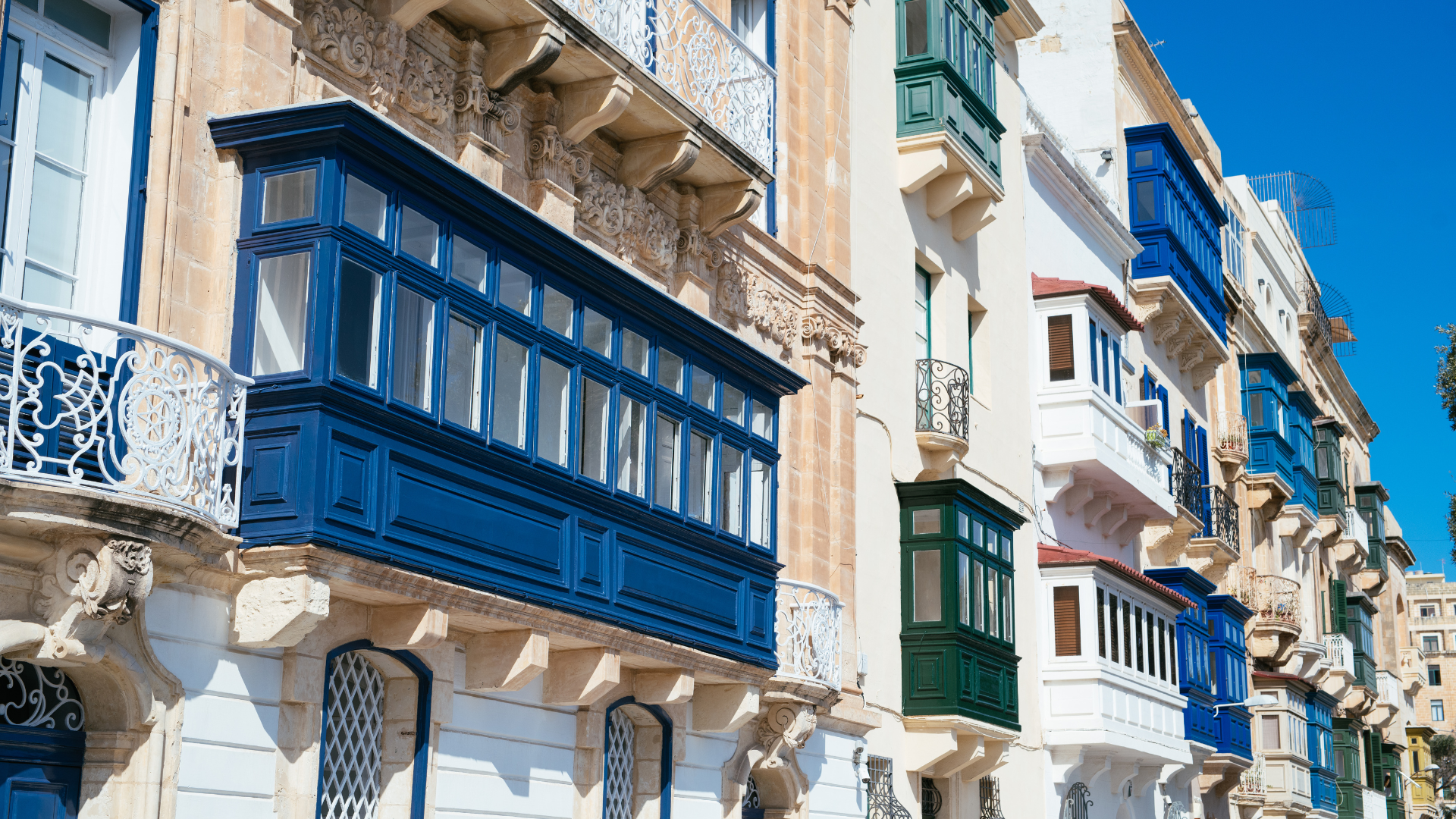
Malta has become a highly attractive destination for newcomers seeking a blend of stability and a high quality of life. The island nation offers a robust economy, a safe environment, and a climate that boasts over 300 days of sunshine a year. Whether you are looking for a holiday home, a place to retire, or a solid investment opportunity, the Maltese real estate market provides a variety of options that cater to different lifestyles and budgets.
Before you start viewing apartments or farmhouses, it is essential to understand the legal framework that governs property ownership here. Most properties are sold as freehold, meaning you own the land and the building outright, but there are specific rules depending on your nationality. The system distinguishes between buying freely and needing special permits, and understanding these restrictions for non-EU buyers is the first step toward a successful purchase.
Beyond just owning a beautiful home, buying property in Malta can also be a strategic move for immigration purposes. There are specific residency pathways linked to real estate investment that allow third-country nationals to gain legal status in the country. By understanding these residency benefits early on, you can ensure your property purchase serves the dual purpose of providing a home and securing your future in Europe.
Who Can Buy Property in Malta?
If you are a citizen from outside the European Union, such as a US citizen, you are generally permitted to buy property in Malta, but there are some limitations. Typically, non-EU nationals are restricted to purchasing one property for personal use, and they usually require a specific permit to proceed with the sale. This regulation helps maintain balance in the local housing market while still allowing foreign investors to own a piece of the island.
In contrast, the rules are more relaxed for citizens of the European Union who have resided in Malta for at least five years. These individuals enjoy the same purchasing rights as Maltese citizens, meaning they can buy multiple properties without special permits. For EU citizens who have not lived in Malta for five years, purchasing a primary residence is straightforward, but buying a secondary holiday home may still require a permit.
Understanding Special Designated Areas (SDAs)
Special Designated Areas, commonly known as SDAs, are specific luxury developments where the standard restrictions on foreign buyers do not apply. These areas include high-profile locations such as Portomaso in St. Julian’s, Tigné Point in Sliema, and SmartCity in the south. Identifying these zones is crucial because they offer the easiest entry point for international buyers looking to invest in Maltese real estate.
The main advantage of buying within an SDA is the flexibility it offers. You do not need to apply for an Acquisition of Immovable Property (AIP) permit, and you are allowed to purchase as many units as you wish in your name. Furthermore, unlike other properties, homes in SDAs can be rented out immediately, providing investors with the opportunity to generate rental income right away.
However, these benefits come with certain drawbacks, primarily related to cost. Properties in Special Designated Areas are almost exclusively luxury developments, which means the purchase prices are significantly higher than the national average. Additionally, the focus on high-end amenities often results in higher maintenance fees, so budget-conscious buyers might find these exclusive zones less accessible.
“As of early 2026, US citizens can legally purchase residential property in Malta, though you will generally need an Acquisition of Immovable Property (AIP) permit unless you buy in a Special Designated Area (SDA) where foreigners can purchase freely without restrictions.” -Investropa
Acquisition of Immovable Property (AIP) Permit Explained
If you choose to buy a home outside of an SDA, you will likely need to obtain an Acquisition of Immovable Property (AIP) permit. The application process involves submitting a copy of your promise of sale agreement and identification documents, and the permit is typically issued within 35 days. Services like those offered by Acumum can be instrumental in managing this paperwork to ensure your application is accurate and approved quickly.
To qualify for an AIP permit, the property you intend to buy must meet certain minimum value thresholds. Currently, the minimum price is set at approximately €143,000 for apartments and slightly higher for houses, though these figures can change. It is also important to note that with an AIP permit, you are generally limited to owning just one property, which must be used for residential purposes.
Step-by-Step Process to Buy Property
Hiring a Notary and Property Search
The buying process officially begins with hiring a Notary Public, who plays a vital role in the transaction. While you are searching for the right property, your notary will conduct a thorough search of the property’s title to ensure there are no outstanding debts or legal issues. This due diligence is critical for protecting your investment and ensuring a clean transfer of ownership.
Signing the Promise of Sale (Konvenju)
Once you have selected a property and agreed on a price, you will sign a preliminary agreement called the Konvenju. This is a binding contract between the buyer and seller that sets the terms of the sale and typically requires a 10% deposit. Signing this document secures the property and establishes a specific timeframe, usually three months, to complete the final deed.
This agreement usually includes specific conditions that must be met for the sale to proceed. Common clauses include making the purchase subject to the bank granting a loan or the government issuing the necessary AIP permit. These conditions protect you as the buyer, ensuring you do not lose your deposit if the necessary approvals are not granted.
“Special Designated Areas (SDAs): This is the easiest route. SDAs are luxury lifestyle developments (such as Tigné Point, Portomaso or SmartCity). In these areas, there are no restrictions. You can buy as many properties as you like and rent them out freely without needing a permit.” -Smart Currency Exchange
Final Deed and Completion
The final stage of the process is the signing of the Kuntratt tal-Bejgħ, or the final deed of sale. At this meeting, usually held at the notary’s office or the bank, you will pay the remaining balance of the purchase price and settle any taxes due. Once the deed is signed and registered, the keys are handed over, and you officially become the legal owner of the property.

Costs, Taxes, and Fees Involved
One of the most significant costs when buying property in Malta is the stamp duty. This tax is generally calculated at 5% of the purchase price or the market value of the property, whichever is higher. It is essential to budget for this expense early on, as a portion of it is usually paid upon signing the preliminary agreement.
However, there are often reductions and exemptions available that can lower this cost. The government frequently introduces schemes for first-time buyers, or for those purchasing properties in Urban Conservation Areas, which can significantly reduce the tax rate. Checking for these incentives before you buy can save you thousands of euros.
In addition to taxes, you must account for various professional fees required to close the deal. You will need to pay the notary for their services and research, cover any real estate agent commissions if applicable, and pay the fee for the AIP permit. Consulting with experts at Acumum can help you get a clear estimate of these additional costs so there are no surprises at the final signing.
Financing Options: Mortgages for Foreign Buyers
Securing a mortgage as a foreign buyer is a viable option in Malta, although the terms may differ from those offered to locals. Maltese banks are generally willing to lend to non-residents, but they typically offer a lower Loan-to-Value (LTV) ratio, often capping financing at 70% or 80% of the property value. This means you will need to have a larger cash deposit ready compared to a local buyer.
“Non-residents can easily buy property in Malta, provided they obtain an Acquisition of Immovable Property (AIP) permit. A fee of €233 is charged per permit, subject to change at the government’s discretion, with the permit usually being issued within 35 days.” -Global Citizen Solutions
To get approved for a loan, you will need to meet strict requirements regarding your financial standing. Banks will ask for proof of income, tax returns, and will conduct thorough anti-money laundering checks before approving any funds. Being organized with your financial documents will streamline this process and improve your chances of securing a mortgage.
Residency Benefits Through Property Investment
For many newcomers, the Malta Permanent Residence Programme (MPRP) is a major incentive for buying property. This program allows non-EU nationals to obtain permanent residency in Malta by meeting specific investment criteria. It is a popular route because it offers visa-free travel within the Schengen Zone and the right to reside in Malta indefinitely.
To qualify for the MPRP, you have the option to either purchase or rent a property. If you choose to buy, the property must be valued at a minimum of €300,000 in the South of Malta or Gozo, or €350,000 in the rest of the country. Alternatively, you can lease a property with a minimum annual rent of €10,000 to €12,000, depending on the location.
In addition to the property requirement, the program mandates further financial contributions. You will need to pay a direct government contribution, which varies based on whether you rent or buy, and make a charitable donation to a local NGO. Navigating these specific investment thresholds can be complex, so seeking advice from professionals like Acumum is highly recommended.

Recent 2026 Budget Changes for Buyers
The Maltese government continues to update its budget policies to support the real estate market and assist buyers. Recent measures include grants specifically designed for first-time buyers, as well as assistance with deposits for properties valued up to €250,000. These financial aids are intended to make homeownership more attainable for both locals and newcomers entering the market.
“As of early 2026, the standard buyer tax in Malta is stamp duty at 5% of the property’s purchase price or market value (whichever is higher), which means on a 300,000 euro property (roughly 325,000 USD or 280,000 GBP), you would pay approximately 15,000 euros in stamp duty.” -Investropa
Another key update involves the equity sharing scheme, which has been expanded to include a broader range of eligible applicants. This scheme allows the government to cover a portion of the property price, which the buyer repays at a later date, significantly reducing the upfront financial burden. Keeping abreast of these changes ensures you can take full advantage of government support.
Common Pitfalls and Legal Tips for Newcomers
A common mistake for many newcomers is signing the promise of sale agreement without having a lawyer or notary review it first. It is crucial to have a legal professional check the contract to ensure your interests are protected, and if you cannot be in Malta physically, you can appoint a representative via a Power of Attorney. This step prevents you from being locked into unfavorable terms or losing your deposit.
Another potential pitfall is misunderstanding the restrictions on renting out your property. If you buy a home outside of a Special Designated Area using an AIP permit, you are generally prohibited from renting it out for short-term holiday lets. Additionally, failing to conduct a proper title search can lead to boundary disputes or legal issues later, so thorough due diligence is non-negotiable.
FAQ
Can foreigners buy property in Malta without residency?
Yes, foreigners can absolutely buy property in Malta without having a residence permit. You can purchase property through the AIP permit process or by buying within a Special Designated Area, neither of which requires you to be a resident.
Do I need an AIP permit for all properties?
No, you do not need an AIP permit for every property purchase. If you buy a property located within a Special Designated Area (SDA), you are exempt from this requirement, whereas properties in other towns generally require the permit for non-EU buyers.
What are the main costs when buying?
The primary cost involved is the stamp duty, which is typically 5% of the purchase price. In addition to this tax, you should budget for notary fees, which are usually around 1% to 2%, and any applicable agency fees.
How does buying property lead to residency?
Buying property is a fundamental part of the Malta Permanent Residence Programme (MPRP). By purchasing a property that meets the specific minimum value thresholds set by the government, you satisfy one of the main conditions for applying for permanent residency.
Can I rent out my purchased property?
You are free to rent out your property if it is located within a Special Designated Area. However, if you purchase a standard property using an AIP permit, you are generally restricted to personal use and cannot rent it out to others.
Conclusion
Navigating the Maltese property market requires a clear understanding of the legal distinctions between Special Designated Areas and standard properties that require an AIP permit. We have covered the essential steps, from the initial property search and hiring a notary to signing the final deed. Mastering these legal basics ensures that your transaction proceeds smoothly and your investment is secure.
For newcomers, the opportunity to link property ownership with residency through the Malta Permanent Residence Programme adds significant value to the investment. This pathway not only provides you with a beautiful home in the Mediterranean but also secures your legal status within the European Union. It transforms a simple real estate purchase into a strategic decision for your family’s future.
As you move forward, remember the key takeaways: SDAs offer the most simplicity and rental freedom, while stamp duty is generally set at 5%. If you are aiming for residency, ensure your investment meets the strict financial thresholds, and always engage a notary early in the process. These points will serve as your guide for a successful property acquisition.
Start your journey buying property in Malta by contacting a licensed notary or real estate expert today to explore SDAs or AIP options and secure residency benefits tailored for newcomers. Firms like Acumum are ready to assist you in navigating these legal waters to ensure a seamless experience.