
[post_category]
Moving to Malta from Canada: Key Steps and Benefits for Entrepreneurs and Retirees

Malta has become a top choice for Canadians looking to move to Europe, thanks to its stunning location in the Mediterranean Sea and its status as a member of the European Union. For Canadians, one of the biggest draws is that English is one of the two official languages, making the transition much easier compared to other European countries. The island offers a warm climate, a rich history, and a safe environment, which appeals to people looking for a relaxed lifestyle. Its strategic position south of Sicily also makes it a perfect gateway for travel throughout Europe, Africa, and the Middle East.
Both entrepreneurs and retirees are finding Malta attractive for different reasons. Business owners see it as a bridge to the EU market with a business-friendly environment, while retirees are drawn to the affordable cost of living and high-quality healthcare. To welcome these newcomers, the Maltese government has created several specific residency pathways. These programs are designed to fit different needs, whether you are looking to retire in the sun or manage a global business from a beautiful island base.
Understanding Malta’s Residency Programs for Canadians
There are four main residency programs that Canadians typically use to move to Malta. These are the Malta Retirement Programme (MRP), the Malta Permanent Residence Programme (MPRP), the Global Residence Programme (GRP), and the Nomad Residence Permit. The Retirement Programme is specifically designed for pensioners who want to enjoy their golden years in a tax-efficient environment. On the other hand, the Global Residence Programme and the Nomad Residence Permit are often better suited for entrepreneurs and remote workers who need more flexibility to earn income.
Each program has its own set of rules regarding who can apply. Generally, you will need to meet specific age requirements and show that you have enough money to support yourself without relying on Malta’s social assistance. Since Canada is outside the European Union, Canadians are classified as “Third Country Nationals.” This means the requirements for you might be slightly stricter than for EU citizens, particularly regarding health insurance and background checks.
One of the major benefits across most of these programs is the special tax status granted to residents. By becoming a resident under these specific schemes, Canadians can often benefit from a flat tax rate on income that is brought into Malta. This creates a very favorable financial environment, allowing you to keep more of your pension or foreign income while enjoying a high standard of living.
Malta Retirement Programme (MRP) for Canadian Retirees
The Malta Retirement Programme (MRP) is usually the best option for Canadian retirees who want to settle on the island. To qualify, you must receive a pension, and this pension must make up at least 75% of your total chargeable income. You are required to send this pension income to Malta. There are also age considerations; while there is no strict upper age limit, the program is designed for those who have finished their primary careers. If you were born after January 1, 1962, the pension requirements are strictly enforced to ensure you can support yourself.
A major advantage of the MRP is the tax benefit. Retirees pay a flat tax rate of 15% on any pension income that is transferred to a Maltese bank account. This is often much lower than tax rates in Canada. Furthermore, Malta has a double taxation treaty with Canada. This agreement ensures that you do not pay tax on the same income in both countries. It provides peace of mind that your hard-earned savings are protected from excessive taxation.
To keep your status in this program, you must physically live in Malta for an average of 90 days a year over a five-year period, or 183 days in a single year to be a tax resident. It is important to note that under the MRP, you are not allowed to hold a full-time job in Malta. The government wants to ensure this program is for genuine retirees. However, you are permitted to hold a non-executive position on the board of a company or organization, provided it does not involve daily management duties.
Applicants must also rent or buy a home in Malta that meets minimum value requirements and purchase private health insurance. The application process usually takes about three months. Once approved, the permit is valid for five years and can be renewed as long as you continue to meet the criteria. There is a non-refundable application fee of €2,500. For assistance with the intricate details of these applications, firms like Acumum can provide specialized guidance to ensure all paperwork is filed correctly.
Global Residence Programme (GRP) for High-Income Canadians
The Global Residence Programme (GRP) is an alternative route designed for people from outside the EU who may not fit the strict definition of a retiree. This program is ideal for high-income earners who want more freedom than the retirement program offers. Unlike the MRP, the Global Residence Programme does not require you to be of a certain age or to rely on a pension. This makes it a great choice for younger wealthy individuals or those who still have active business interests.
To qualify for the GRP, you do not need to prove a specific annual income, but you must be able to pay a minimum annual tax of €15,000. Like the retirement program, you benefit from a flat tax rate of 15% on any foreign income you send to Malta. However, you must also show that you have stable and regular resources to support yourself and your family. You will also need to buy or rent a property that meets higher value thresholds compared to other residency schemes.
“Allows remote workers, freelancers, and entrepreneurs to reside legally in Malta for up to one year, renewable for a maximum stay of four years.” -Acumum
The main advantage of the GRP over the retirement program is flexibility. Under the GRP, you are allowed to work and generate income from various sources. This is perfect for entrepreneurs and business professionals who are not ready to fully retire. You can run a business, hold investments, and manage your wealth actively while enjoying the lifestyle and tax benefits of living in Malta.
Malta Permanent Residence Programme (MPRP) by Investment
The Malta Permanent Residence Programme (MPRP) is a pathway for Canadians who want to settle in Malta permanently through investment. Unlike the other programs which grant a special tax status or temporary residency, this program offers permanent residency rights from the start. It is specifically designed for non-EU nationals, making it a popular choice for Canadian families seeking a secure, long-term foothold in Europe.
The financial requirements for the MPRP are significant. You must have at least €500,000 in total assets. Out of this amount, at least €150,000 must be in liquid financial assets, like cash or stocks, that you can access easily. In addition to proving your wealth, you must make a government contribution and a charitable donation. You are also required to invest in real estate, either by purchasing a property or renting one for a minimum of five years.
Before you are approved, the Maltese government conducts very strict checks on your background. This is called due diligence. You will need to provide a clean criminal record from Canada and pass anti-money laundering checks. You must also prove that your money comes from legal sources. This involves submitting documents like audited accounts, bank statements, and notarized agreements to show exactly where your funds originated.
For entrepreneurs, the MPRP is highly beneficial because it grants you the right to live in Malta indefinitely. While it does not automatically give you a work permit, permanent residents have the right to be self-employed or set up a business in Malta. This opens the door to the vast European Union market. Additionally, after living in Malta for a certain number of years and meeting specific conditions, permanent residents may eventually become eligible to apply for citizenship.
Nomad Residence Permit for Remote Workers and Digital Entrepreneurs
The Nomad Residence Permit is a modern visa option perfect for Canadians who work remotely. If you are a freelancer, a digital entrepreneur, or an employee of a Canadian company who can work from anywhere, this permit allows you to live in Malta while keeping your current job. The permit is issued for one year initially, but it can be renewed for up to a total of four years if you still meet the requirements.
To be eligible, you must prove that you earn a gross monthly income of at least €3,500, or about €42,000 per year. You need to submit employment contracts showing you work for an employer registered outside of Malta, or business documents showing you are self-employed with clients mostly outside of Malta. Along with income proof, you must have a valid rental or purchase agreement for a home and comprehensive health insurance coverage.
“Qualified retirees pay a flat tax rate of 15% on foreign-sourced income remitted to Malta. The main applicant must pay a minimum annual tax of €7,500, plus €500 for each dependent.” -Immigrant Invest
This program is incredibly appealing to digital entrepreneurs because it offers a legal way to reside in the EU without the complex investment requirements of other programs. It allows you to enjoy the Mediterranean lifestyle while maintaining your international business operations. It serves as an excellent bridge for those who want to test out life in Malta before committing to a more permanent residency option.
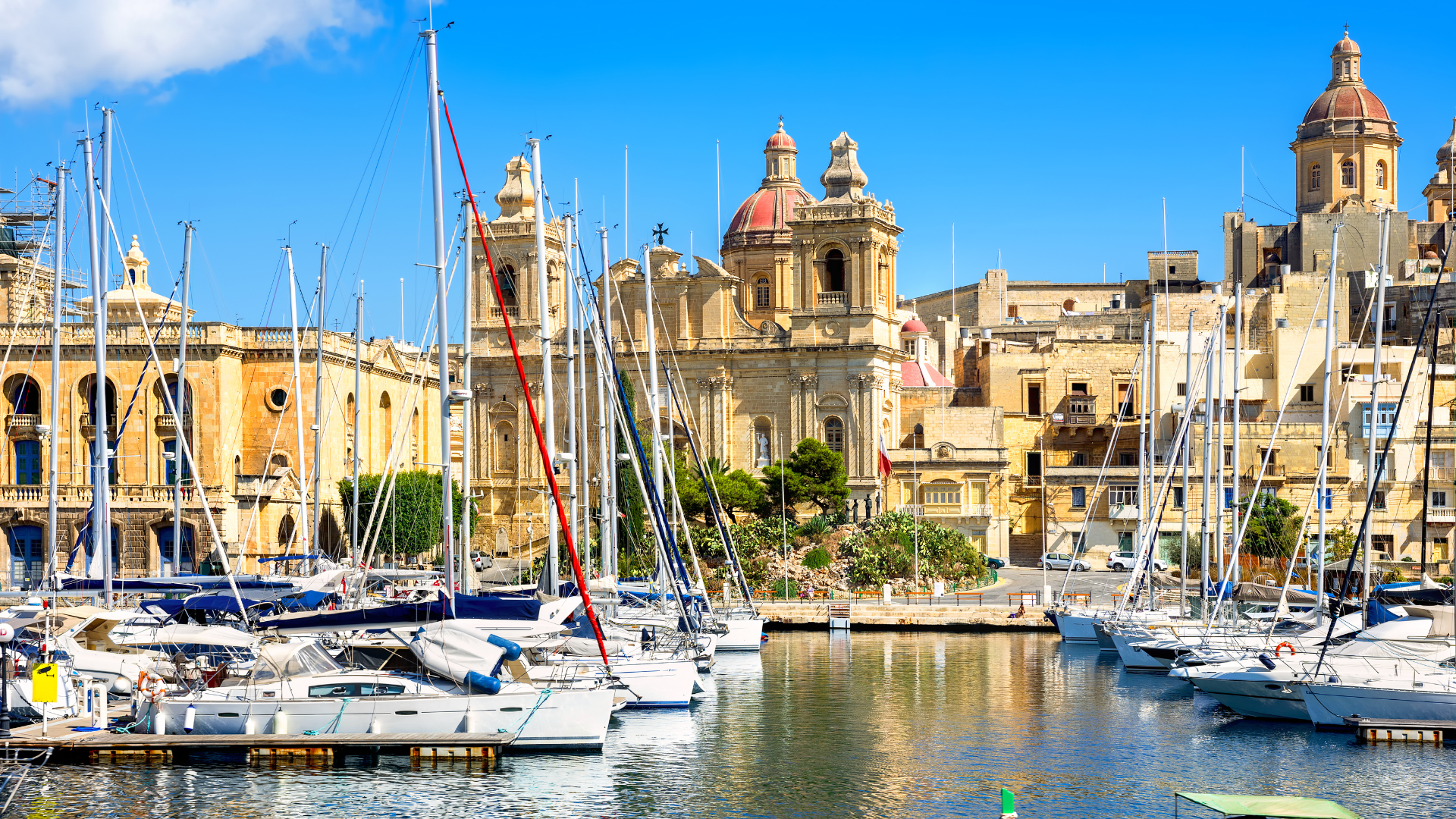
Key Steps for Canadian Entrepreneurs Moving to Malta
For Canadian entrepreneurs, the first step is choosing the residency program that matches your business goals. If you plan to retire but keep a board position, the MRP might work. However, if you plan to actively run a business or work remotely, the Global Residence Programme, MPRP, or Nomad Permit are better choices. You should look at your business structure and income sources to decide which path offers the best balance of cost and freedom.
Once you have selected a program, you can begin the process of setting up your business presence. Malta is known for being pro-business, and registering a company here gives you access to the entire EU market. The process is relatively straightforward, and because the workforce speaks English, hiring local talent or communicating with government agencies is easy for Canadians. You will need to comply with local regulations, but the bureaucracy is generally manageable with the right help.
Financial planning is critical when moving your business interests across the ocean. You need to consider how to optimize your taxes and handle currency conversion from Canadian Dollars to Euros. Understanding Malta’s corporate tax system is vital, as it operates differently from Canada’s. While the headline corporate tax rate is 35%, there is a refund system that can significantly lower the effective tax rate for international trading companies. Services provided by firms like Acumum can be instrumental in navigating these tax structures efficiently.
Finally, you must gather all necessary legal documentation. This includes verifying the source of your funds to satisfy anti-money laundering laws and preparing a solid business plan if required. It is highly recommended to engage professional advisors in Malta. They can help you prepare your application, certify your documents, and ensure you meet all legal requirements so that your move is successful and stress-free.
Financial and Tax Implications for Canadian Residents
When you move to Malta, understanding how your taxes work is essential. Malta and Canada have a double taxation treaty, which is great news for your finances. This agreement prevents you from being taxed on the same income by both countries. For example, your Canadian Old Age Security (OAS) and Canada Pension Plan (CPP) benefits can be paid to you in Malta, and the treaty dictates how they are taxed, ensuring you don’t pay more than you should.
Under programs like the MRP and GRP, you benefit from a flat 15% tax rate on foreign income that you bring into Malta. This is often much lower than the progressive tax rates you might be used to in Canada. However, you need to be careful with your tax planning. You should consult with an international tax advisor to compare your obligations in both countries and structure your finances to take full advantage of these benefits.
“The completed application and supporting documents are submitted to the International & Corporate Tax Unit. At this stage, a non-refundable application fee of €2,500 must be paid.” -Immigrant Invest
To maintain your tax residency status in Malta, you generally need to be in the country for more than 183 days a year. If you spend too much time in Canada, you might be considered a resident there for tax purposes, which could complicate your situation. Keeping track of your travel days and maintaining your primary home in Malta are key steps to staying compliant with the tax authorities.
Healthcare, Insurance, and Social Services
Malta has a highly rated healthcare system, often ranked among the best in the world. However, as a Canadian resident on a permit like the MRP or Nomad visa, you are not automatically entitled to free public healthcare. You are required to purchase a comprehensive private health insurance policy. This insurance must cover all risks across the EU and is a mandatory document for your residency application.
Accessing healthcare in Malta is easy for English speakers. There are modern public hospitals and private clinics throughout the island. With your private health insurance, you can access private doctors and specialists quickly. While Canada has reciprocal health agreements with some countries, it is safer to rely on your private policy to ensure you have full coverage for any medical needs that arise.
regarding social services, moving to Malta does not mean you lose your Canadian pension history. You can apply to have your Canadian pensions sent directly to your Maltese bank account. However, you will likely not be eligible for Maltese social security benefits unless you have contributed to the Maltese system through employment. You will need to handle your own administrative tasks to ensure your Canadian benefits continue without interruption.
Housing and Accommodation Requirements
Finding a place to live is a core requirement for all Maltese residency programs. You must provide proof that you have a place to stay, either by renting or buying a property. Each program has specific minimum values for this. For example, the retirement program requires you to pay a certain amount in annual rent or buy a property of a certain value. This ensures that residents are living in suitable accommodation and contributing to the local property market.
The real estate market in Malta offers a variety of options. You can choose to live in the bustling central areas, the historic capital of Valletta, or the quieter, more rural island of Gozo. Properties in Gozo and the south of Malta are often cheaper than those in the popular central and northern harbour areas. Renting is a common way to start, giving you time to explore the island before deciding if you want to purchase a home.
When securing accommodation, you will need to sign a lease agreement or a purchase contract. This document is crucial for your residency application. It is important to view properties and secure a contract before you submit your application to the authorities. Real estate agents in Malta are used to working with expats and can help you find a property that meets the specific requirements of your chosen residency program.
“Minimum capital investment which must be the original gross purchase value of an enterprise is not less than €275,000 (€220,000 in Gozo and South of Malta).” -Lincoln Global Partners
Application Process and Timeline
Applying for residency in Malta requires organization and attention to detail. Typically, you will submit your application through a registered authorized mandatory or agent, as direct applications are often not permitted for certain programs. You can start the process while in Canada, but some steps may require you to visit Malta or the nearest Maltese embassy or consulate. You will need a checklist of documents, including your passport, birth certificate, and financial records.
The processing time for most residency applications is approximately three months, although this can vary. If your documents are incomplete or if there is a backlog, it may take longer. To avoid delays, ensure all your Canadian documents are properly authenticated or “apostilled” if required, and that everything is clear and legible. Since English is an official language in Malta, you usually do not need to translate documents that are already in English.
There are fees associated with every program. For instance, the Malta Retirement Programme has a non-refundable administrative fee of €2,500. Other programs like the MPRP have higher fees. You will need to pay these fees as part of your application. During the review process, the authorities will check your background and financial stability. You may be asked for additional information, so it is important to respond quickly.
Once your application is approved, you will receive a letter of confirmation. You will then need to travel to Malta to complete the final steps, such as having your biometric data (fingerprints and photos) taken for your residence card. After you collect your residence permit, you must register with the tax department. This marks the official start of your new life as a resident of Malta.
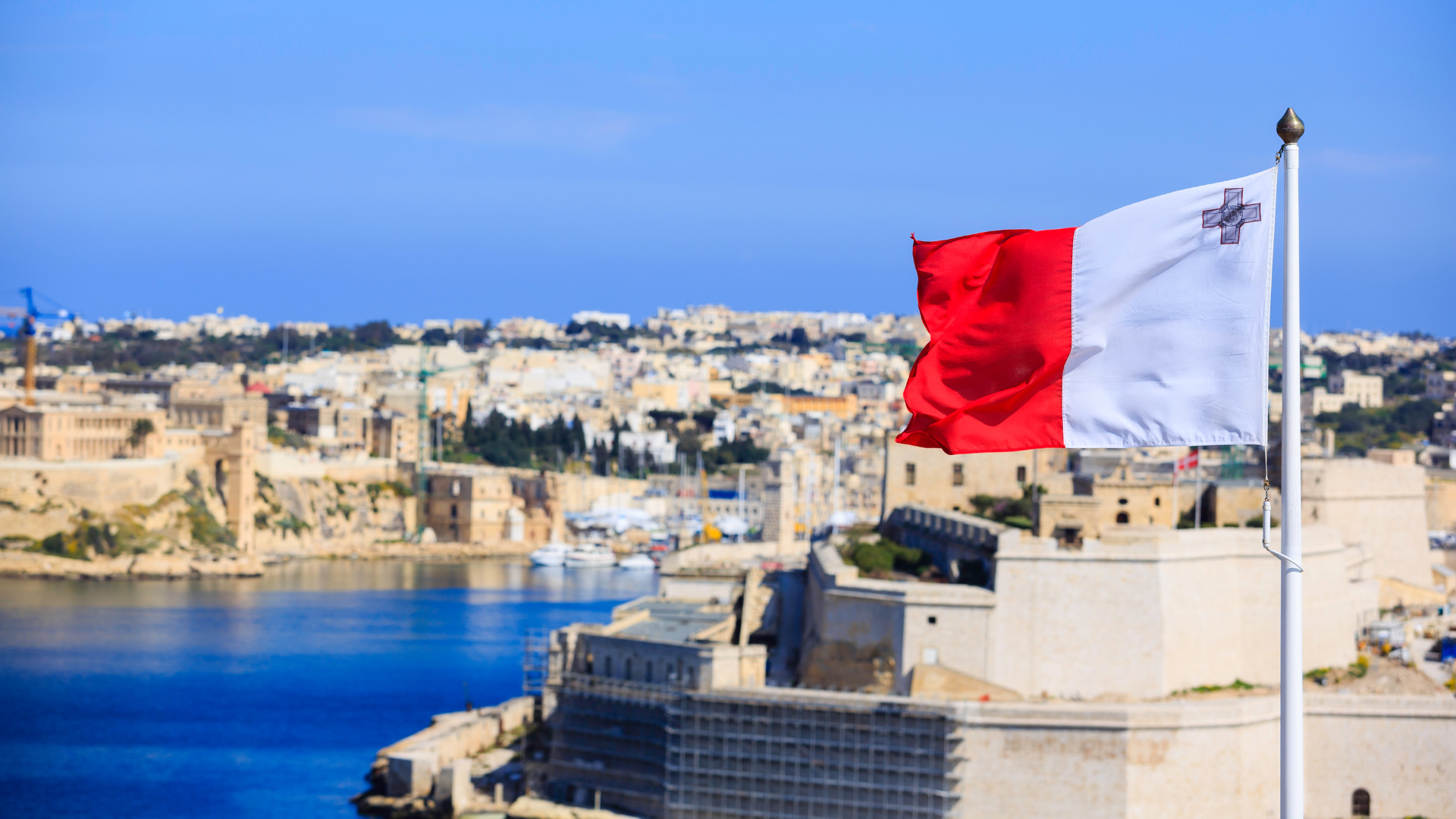
Accessing the Schengen Area and Travel Freedom
One of the most exciting benefits of holding a Maltese residency permit is the travel freedom it provides. Malta is part of the Schengen Area, a group of European countries that have abolished border controls between them. As a Maltese resident, you can travel to other Schengen countries, like France, Italy, and Germany, without needing a separate visa. This makes weekend trips or European vacations incredibly easy and convenient.
However, there is a limit to this travel freedom. You are allowed to spend up to 90 days in any 180-day period in other Schengen countries. This rule is strictly enforced. For Canadian entrepreneurs, this is still a huge advantage, as it allows for easy business travel throughout Europe. For retirees, it means you can explore the continent at your leisure, using Malta as your home base.
Pathway to Maltese Citizenship
It is important to understand that getting a residency permit does not automatically make you a citizen of Malta. Residency and citizenship are two different things. However, holding a permanent residency status can eventually lead to citizenship eligibility. To apply for citizenship through naturalization, you typically need to have lived in Malta for a specific number of years, usually five out of the last seven years, and show that you have integrated into Maltese society.
Becoming a Maltese citizen is a significant achievement. It grants you a Maltese passport, which is an EU passport. This gives you the right to live, work, and study anywhere in the European Union, not just Malta. It also allows you to vote in European elections. For many Canadians, this is the ultimate goal, offering a level of security and opportunity that extends across the entire continent.
Common Challenges and Considerations
Moving to a new country always comes with challenges. Even though English is spoken in Malta, the culture is different from Canada. The pace of life is slower, which is great for relaxing but can be frustrating when dealing with bureaucracy or services. You may find that things take longer to get done than you are used to. Adapting to the “island time” mentality requires patience and an open mind.
Another challenge can be the risk of application refusal. This usually happens if an applicant fails to meet the strict financial requirements or does not provide the correct documentation. For example, if the property you rent is not expensive enough to meet the program’s threshold, your application will be rejected. A criminal record or failure to pass the background check will also lead to a refusal. Thorough preparation is the only way to avoid these issues.
Because the rules can be complex, it is highly risky to try and navigate the process alone. Engaging professional legal and financial advisors in Malta is crucial. They understand the local laws and can guide you through the tax implications and residency applications. Firms like Acumum specialize in helping North Americans move to Malta, ensuring that you avoid common pitfalls and start your new life on the right foot.
Frequently Asked Questions
Can Canadian retirees with modest pensions qualify for the Malta Retirement Programme?
Yes, retirees with modest pensions can qualify, provided their pension income is their main source of funds. The key rule is that your pension must account for at least 75% of your chargeable income, and you must remit it to Malta. Additionally, you must be able to pay the minimum annual tax of €7,500, plus €500 per dependent. If your pension allows you to meet these financial thresholds comfortably, you are eligible.
What is the difference between the Malta Retirement Programme and the Global Residence Programme for Canadian applicants?
The main differences lie in age, income, and work rights. The MRP is strictly for retirees and generally prohibits employment, requiring 75% of income from a pension. The Global Residence Programme (GRP) has no pension requirement and allows for multiple income sources, making it better for younger applicants or those who still want to work. However, the GRP has a higher minimum tax liability of €15,000 per year compared to the MRP’s €7,500.
How long does the Malta residency permit application process take?
The application process typically takes about three to four months from the time you submit your complete application. However, this timeline can vary depending on how busy the government department is and the complexity of your specific case. Delays often happen if documents are missing or incorrect, so submitting a fully prepared application with all necessary apostilles is the best way to ensure a fast approval.
Can I work in Malta on a retirement visa?
No, you cannot hold full-time employment in Malta under the Malta Retirement Programme. The program is intended for people who are not taking jobs away from locals. However, you are permitted to hold non-executive board positions in companies or foundations, as long as these roles do not involve day-to-day management. If you wish to work actively, you should consider the Global Residence Programme or the Nomad Residence Permit instead.
What happens to my Canadian pension if I move to Malta?
Your Canadian pension, including Old Age Security (OAS) and Canada Pension Plan (CPP), will continue to be paid to you while you live in Malta. Thanks to the tax treaty between Canada and Malta, your pension is protected from being taxed twice. You can have the payments deposited directly into your Maltese bank account, often in Euros, which makes managing your daily finances much easier.
Conclusion
Relocating to Malta from Canada offers a wealth of opportunities for both retirees seeking a sunny, relaxed lifestyle and entrepreneurs looking for a strategic European base. The island provides multiple residency pathways, each tailored to different needs and financial situations. Whether you qualify for the tax-efficient Malta Retirement Programme, the flexible Global Residence Programme, the investment-based Permanent Residence Programme, or the digital-friendly Nomad Permit, there is likely a solution that fits your objectives. The benefits of moving are clear: a favorable tax environment, a high standard of English-speaking healthcare, and the ability to travel freely within the Schengen Area.
However, a successful move requires careful planning and attention to detail. From understanding the nuances of double taxation treaties to securing the right health insurance and accommodation, every step matters. It is highly recommended to work with experienced professionals who understand both Canadian and Maltese systems. By assessing your goals early and engaging with experts, you can navigate the bureaucratic requirements smoothly. Malta welcomes Canadians with open arms, offering a unique blend of Mediterranean charm and European efficiency that makes the effort of relocation well worth it.
If you are a Canadian retiree or entrepreneur considering relocating to Malta, begin by assessing your financial situation and long-term goals to determine the most suitable residency program. Consult with international tax advisors and immigration specialists experienced in Canadian-to-Malta relocations to ensure compliance with all requirements and optimize your financial planning. The pathway to Mediterranean living and European access awaits—take the first step today by gathering your documentation and reaching out to qualified Malta immigration professionals.