
Blogs
How Malta Residency Opens Doors to the EU Schengen Zone
Understanding the Schengen Zone and Malta’s Role
The Schengen Area represents one of the most significant achievements in European integration, creating a vast territory where internal border controls have largely been abolished. Comprising 27 European countries, this zone allows millions of people to travel freely without stopping for passport checks at every border crossing. For travelers and business people, this means moving from Portugal to Poland or Sweden to Sicily as easily as traveling between states in the USA. Consequently, gaining access to this zone is a primary goal for many non-EU nationals seeking greater global mobility.
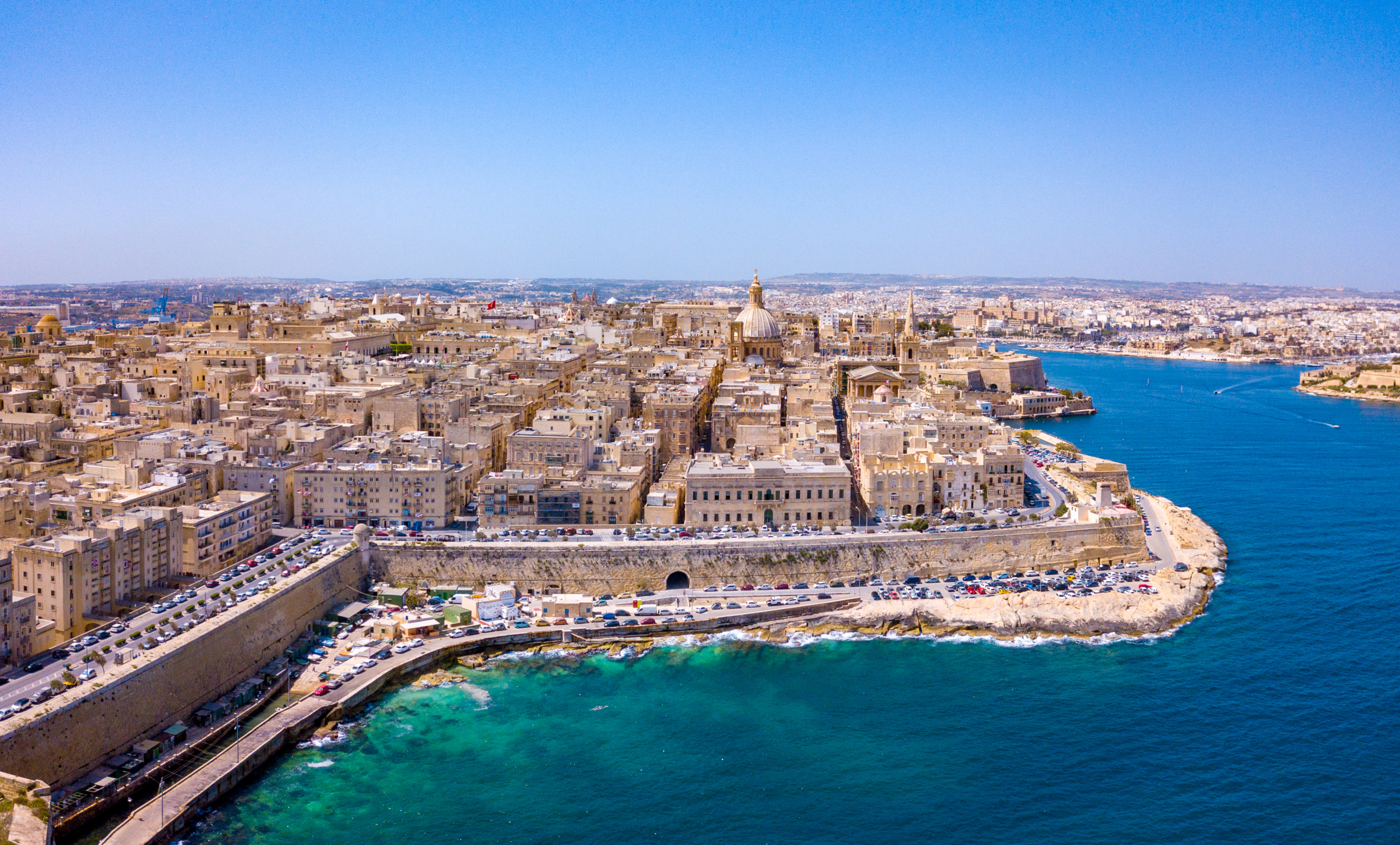
Malta holds a unique and powerful position within this framework as a full member of both the European Union and the Schengen Zone. Since joining the Schengen Area in 2007, this island nation has served as a strategic bridge between Europe, Africa, and the Middle East. Its location in the heart of the Mediterranean Sea makes it a logistical hub, while its political status ensures that it adheres to the high standards of security and freedom associated with the EU. Therefore, holding a Maltese residency card offers more than just the right to live on a sunny island; it integrates the holder into the wider European community.
For non-EU citizens, obtaining Malta residency effectively acts as a gateway to this borderless Europe. Instead of applying for a separate visa every time you want to visit Paris, Rome, or Berlin, a Maltese residency card grants you the privilege of seamless entry. This status removes the bureaucratic hurdles and waiting times often associated with Schengen visas, transforming the way investors and their families experience travel across the continent.
Key Benefits of Malta Residency for Schengen Access
The most immediate benefit of Maltese residency is the visa-free travel privilege across the entire Schengen region. Holders of a valid Maltese residency card are entitled to spend up to 90 days within any 180-day period in other Schengen member states. This rule applies to tourism, business meetings, and family visits, effectively treating the resident similarly to a tourist with a powerful passport. As a result, spontaneous trips for weekend getaways or urgent client meetings in other EU countries become hassle-free realities rather than logistical nightmares.
Beyond the logistics of border crossing, this access significantly enhances the lifestyle of high-net-worth individuals and their families. It opens up a world of leisure travel, allowing for summer holidays on the French Riviera or skiing trips in the Austrian Alps without advanced planning. Furthermore, for business professionals, the ability to network across major European economic hubs like Frankfurt, Milan, and Amsterdam is invaluable. This freedom of movement fosters personal growth and international business expansion, making Malta residency a tool for both pleasure and professional success.
Malta’s Residency-by-Investment Programs Overview
To access these benefits, foreign nationals typically utilize specific investment routes, most notably the Malta Permanent Residence Programme (MPRP) and the Global Residency Programme (GRP). These government-sanctioned initiatives are designed to attract foreign capital and reputable individuals to the island. While the GRP is often favored for its tax incentives, the MPRP is particularly popular for those seeking a straightforward path to permanent status. Agencies like Acumum specialize in guiding applicants through the nuances of these specific programs to ensure the best fit for their needs.
Eligibility for these programs generally requires a mix of capital contribution, property investment, and a charitable donation. For example, under the MPRP, an applicant must prove they have sufficient capital assets, rent or purchase a property in Malta, and pay a government contribution fee. The process is rigorous, involving strict due diligence checks to ensure that only individuals with clean criminal records and legitimate sources of funds are approved. Depending on the complexity of the case, the processing time can take anywhere from four to six months.
“Following the submission of the application forms together with the supporting documents, a decision on whether the applicant has been successful is reached within six to twelve months.” -Malta Residence
Once approved, the successful applicant receives a Maltese residence card, which is the physical key to Schengen access. This biometric card serves as a valid travel document when accompanied by a national passport. It proves to border officials across Europe that the holder has legal status in Malta, thereby granting them the right to enter other Schengen countries without a visa. This immediate issuance of travel documents is a major reason why these programs are highly sought after by non-European investors.
Visa-Free Travel: Practical Privileges and Examples
Possessing a Schengen Residence Card issued by Malta simplifies the practical aspects of European travel immensely. When arriving at an airport in France, Germany, or Italy, residents can often use lanes designated for EU/EEA nationals or residents, speeding up the entry process. There is no need to fill out landing cards or undergo interviews with immigration officers regarding the purpose of a short visit. This seamless entry facilitates a level of travel freedom that is otherwise unavailable to third-country nationals without a visa.
Consider the scenario of a South African entrepreneur who needs to attend a last-minute trade show in Barcelona; with Malta residency, they can simply book a flight and go. Similarly, a retired couple from the United States living in Malta can decide on a Tuesday to visit their grandchildren studying in the Netherlands for the weekend. These real-world examples highlight how the residency card removes friction from travel, allowing families and business people to focus on their objectives rather than paperwork.
Family Inclusion and Long-Term Opportunities
One of the strongest features of Malta’s residency programs is the ability to include family members in a single application. The main applicant can include their spouse and dependent children, often even if the children are over 18 but strictly under 25 and unmarried. Additionally, dependent parents and grandparents can sometimes be included, ensuring that the entire family unit benefits from the security and mobility that Malta offers. This inclusivity makes it an ideal solution for families looking to relocate or secure a “Plan B” together.
“Since Malta is party to the Schengen agreement, holders of the residency card are entitled to the Schengen Residence Card which allows them to travel freely within 29 countries.” -Malta Residence
Once the family has residency, they gain access to high-quality education and healthcare systems both in Malta and, to a certain extent, across the EU. While the residency card itself does not grant free healthcare across all of Europe, it facilitates easier access to travel insurance and private medical care in world-class European facilities. Furthermore, children of residents can easily explore educational opportunities in Europe, visiting potential universities in different Schengen countries without the need for student visitor visas during the selection process.
Looking toward the distant future, maintaining residency can eventually lead to citizenship, although this is a separate and more demanding process. Generally, after five years of continuous legal residence and meeting physical presence requirements, a resident may apply for naturalization as a Maltese citizen. Gaining citizenship would convert the residency privileges into full EU rights, including the ability to live and work anywhere in the European Union, marking the ultimate step in long-term integration.

Tax Advantages and Economic Stability
Malta is not just a travel hub; it is also a jurisdiction known for its attractive tax system for residents. Under programs like the Global Residency Programme, residents may benefit from a flat tax rate of 15% on foreign income remitted to Malta, subject to a minimum annual tax payment. There is typically no tax on foreign income that is not brought into Malta, and there are no wealth or inheritance taxes. These fiscal incentives make the cost of maintaining residency highly efficient for international investors.
In addition to tax perks, Malta offers a backdrop of impressive economic resilience and stability. The country weathered the 2008 Eurozone crisis better than many of its southern European neighbors and has continued to show robust growth in sectors like financial services, gaming, and tourism. This economic health provides peace of mind to investors, knowing that their residency is tied to a sovereign state with a strong credit rating and a stable political environment.
“The Malta Permanent Residence Programme is the only European residency program to allow a property rental option without requiring the purchase of property before applying for residence.” -Malta Residence
Challenges and Limitations of Schengen Access
While the benefits are substantial, it is crucial to understand the limitations of the 90/180-day rule. Malta residency does not grant the right to live permanently in other Schengen countries; it only allows for short stays. If a resident wishes to spend more than three months in a country like Spain or France, they must apply for a specific visa or residency permit for that particular nation. Overstaying this limit can result in fines or the revocation of residency privileges, so careful tracking of travel days is essential.
Another common misconception is that Malta residency automatically grants the right to work in other EU member states. This is not the case; the residency card permits work and business activities specifically within Malta. To work in another Schengen country, the individual would generally need to secure a work permit under that country’s specific laws. Therefore, while business meetings and networking abroad are permitted, taking up employment in Berlin or Paris requires further legal steps.
Finally, the application process itself can be complex and bureaucratic, requiring precise documentation and adherence to strict legal standards. Errors in the application can lead to delays or rejections. This is why engaging with experienced legal intermediaries is highly recommended. Firms such as Acumum provide the necessary professional guidance to navigate these challenges, ensuring that applicants understand both the privileges and the limitations of their new status.
Comparing Malta Residency to Other EU Options
When compared to other popular “Golden Visa” destinations like Portugal, Greece, or Spain, Malta holds its own with distinct advantages. While countries like Portugal have offered pathways to citizenship with lower physical presence requirements in the past, recent legislative changes in various EU nations have made some of these programs more restrictive or expensive. Malta’s MPRP remains stable and clear, offering a set cost structure without the volatility seen in other real estate markets that often dictate visa eligibility elsewhere.
“No income tax on foreign sourced income, unless it is remitted to Malta – A flat rate tax status of 15% on foreign source income remitted to Malta.” -La Vida Golden Visas
Furthermore, Malta offers a unique blend of affordability and cultural accessibility. As an English-speaking nation (English is an official language alongside Maltese), it eliminates the language barrier that investors might face in Spain or Greece. This ease of communication extends to business, law, and daily life, making the transition much smoother. Combined with its central location and efficient processing times, Malta provides a competitive balance of speed, cost, and usability that is hard to beat in the current market.
Application Process Step-by-Step
The journey to Malta residency begins with a thorough eligibility check and document preparation. Applicants must gather valid passports, police conduct certificates, proof of assets, and health insurance coverage. This initial phase is critical, as any missing or incorrect document can stall the entire process. Working with a licensed agent is mandatory for the MPRP, as the government agency does not accept direct applications from individuals.
Once the file is prepared, it is submitted to the Residency Malta Agency for a rigorous due diligence process. The agency conducts background checks to verify the source of wealth and the applicant’s reputation. This stage typically lasts four to six months. Upon successful completion of these checks, a Letter of Approval in Principle is issued, inviting the applicant to fulfill the investment requirements, such as purchasing property and paying the government contribution.
After the investments are made and proof is submitted, the final stage involves visiting Malta to capture biometric data. The residency cards are then printed and issued to the main applicant and their family members. These cards must be renewed periodically, usually every five years, provided the conditions of the program (such as holding the property) continue to be met. This final step unlocks the door to the Schengen Zone.
FAQ
How long can I stay in other Schengen countries with Malta residency?
You can stay in other Schengen countries for up to 90 days within any rolling 180-day period. This applies to tourism and business visitor activities.
Does Malta residency allow me to work anywhere in the EU?
No, it does not. The residency card grants you the right to reside and work in Malta. To work in another EU country, you must apply for a work permit specific to that nation.
What is the minimum investment required for Malta residency?
The costs vary depending on whether you rent or buy property. For the MPRP, the minimum capital outlay generally starts around €150,000 (including rent, donation, and fees) provided you have capital assets of at least €500,000.
Can my entire family get residency through one application?
Yes, the main applicant can include a spouse, children, and dependent parents or grandparents in a single application, subject to additional fees and eligibility checks.
How does Malta residency lead to citizenship?
Residency does not automatically lead to citizenship. However, after residing in Malta for 5 years (with specific physical presence requirements) and meeting integration criteria, residents may apply for naturalization.
Conclusion
In summary, obtaining residency in Malta is a strategic move that offers far more than just a home in a beautiful Mediterranean archipelago. It provides a coveted key to the EU Schengen Zone, granting visa-free travel access that simplifies life for business leaders and avid travelers alike. From the security of a stable EU jurisdiction to the lifestyle benefits of effortless European exploration, the value proposition of Malta’s residency programs is clear and compelling.
To recap the key takeaways, Malta residency allows for 90 days of travel out of every 180 days across 27 Schengen countries without visa hassles. It offers a unique opportunity for family inclusion, ensuring that spouses, children, and even grandparents can share in the benefits of safety, education, and healthcare. Additionally, the potential for tax optimization and the possibility of a long-term pathway to citizenship make it a robust investment in your family’s future.
Malta continues to stand out as a premier destination for high-net-worth individuals seeking stability and freedom. Its English-speaking environment, robust economy, and rich history create a high quality of life that complements the practical benefits of the residency card. Whether you are looking for a safe harbor in turbulent times or a launchpad for European business ventures, Malta provides the infrastructure and legal framework to support your goals.
If you are ready to unlock the doors to the Schengen Zone, now is the time to act. Residency programs and regulations can change, so securing your status sooner rather than later is advisable. For a seamless experience, we encourage you to consult with authorized agents and legal experts like Acumum. Their team can provide the professional assistance needed to navigate the application process efficiently, ensuring you and your family can start enjoying the privileges of Malta residency without delay.