
Blogs
Can You Hold Dual US-Malta Citizenship Without Issues?
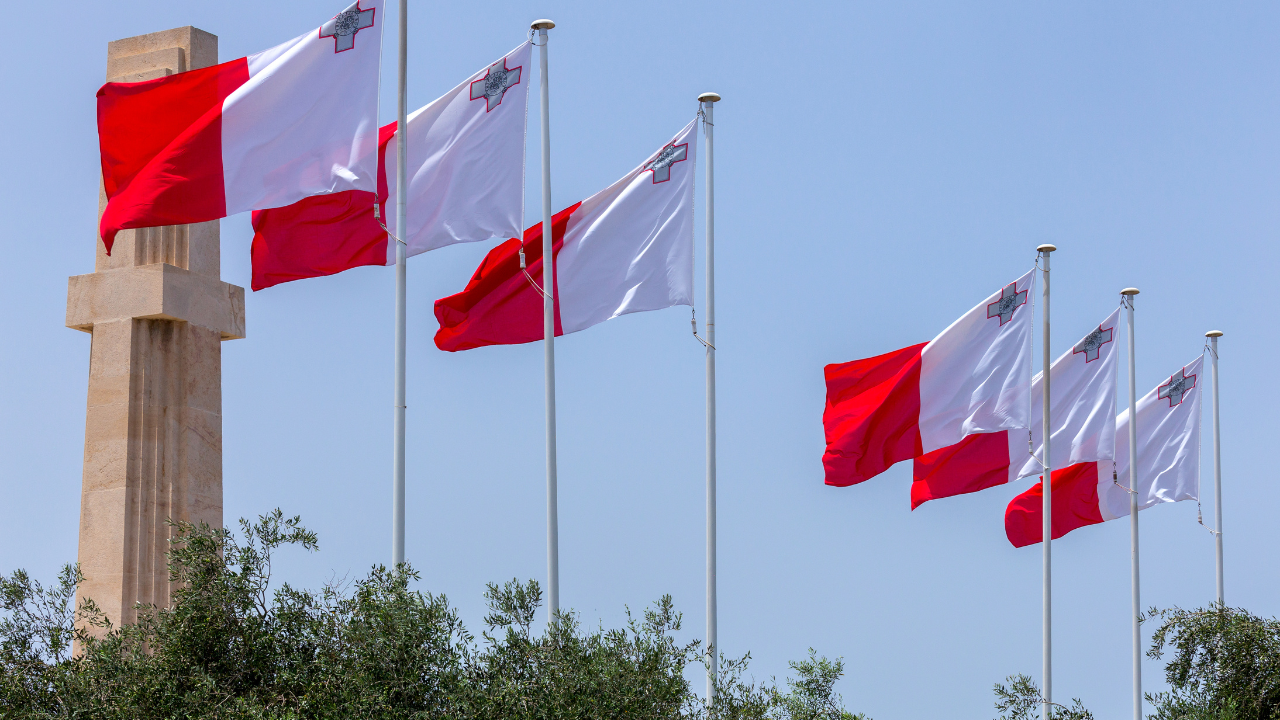
Dual citizenship is a legal status where an individual is recognized as a citizen of two different countries at the same time, and fortunately, both the United States and Malta allow this arrangement. This means that you do not have to choose one nationality over the other, nor do you have to give up your original passport to acquire a new one. For Americans looking to expand their horizons into Europe, this creates a seamless pathway to enjoying the benefits of both nations without legal conflict.
The United States government has a specific policy regarding dual nationality that is quite lenient compared to many other nations. While the U.S. does not explicitly promote dual citizenship, it fully accepts it and allows Americans to naturalize in foreign countries like Malta without losing their U.S. status. As long as you do not perform an expatriating act with the specific intent of giving up your U.S. nationality, you can hold both passports and enjoy the rights of an American citizen indefinitely.
On the other side of the equation, Malta has evolved its laws to become very welcoming of multiple citizenships. Since legal amendments were passed years ago, the Maltese government places no restrictions on its citizens holding passports from other countries. This mutual agreement means that legally speaking, you can hold dual US-Malta citizenship without issues, enjoying full protection and rights from both governments.
Legal Recognition in the US and Malta
Malta’s legal framework is robust and clear when it comes to the rights of dual nationals under the Maltese Citizenship Act. The law explicitly states that acquiring another citizenship does not cause a Maltese citizen to lose their status, nor does it require a foreigner becoming Maltese to renounce their original nationality. This legal clarity provides peace of mind for investors and families, ensuring that their new status in the European Union is secure and recognized by the state.
In the United States, the legal stance is governed by the Immigration and Nationality Act and various Supreme Court rulings. The U.S. Department of State confirms that a citizen can naturalize in a foreign state without risking their American citizenship unless they formally renounce it before a U.S. diplomatic officer. Because there is no automatic loss of citizenship, Americans can confidently pursue Maltese citizenship knowing their legal standing in the U.S. remains intact.
Paths to Acquire Maltese Citizenship as a US Citizen
There are several distinct routes for a U.S. citizen to become a Maltese national, ranging from investment programs to family connections. The primary pathways include Citizenship by Naturalization for Exceptional Services by Direct Investment (often called CBI), standard naturalization through long-term residency, citizenship by marriage, and citizenship by descent. Each of these routes has specific eligibility criteria designed to verify the applicant’s connection to the country or their value to the Maltese economy.
The speed and requirements of these paths vary significantly, so choosing the right one depends on your personal circumstances and goals. Investment is generally the fastest route, potentially granting citizenship in one to three years, whereas standard naturalization can take much longer and requires living on the islands. Conversely, citizenship by descent is often the most cost-effective method if you have the necessary lineage, though gathering the required historical documents can take some time.
Citizenship by Investment (Exceptional Services)
The Citizenship by Naturalization for Exceptional Services by Direct Investment is the most popular route for high-net-worth Americans seeking efficiency. Applicants can choose between a standard route, which requires 36 months of residency, or an expedited route that reduces the residency requirement to just 12 months. This path requires a significant non-refundable financial contribution to the Maltese government, set at €600,000 for the standard track or €750,000 for the expedited option.
In addition to the direct contribution, applicants must demonstrate a genuine link to the country through real estate and philanthropy. You are required to either purchase a property in Malta valued at a minimum of €700,000 or lease a residential property for at least €16,000 per year for five years. Furthermore, a mandatory donation of €10,000 must be made to a registered philanthropic, cultural, sport, scientific, animal welfare, or artistic non-governmental organization in Malta.
“The U.S. government does not promote dual citizenship, but it does allow it. This means: U.S. citizens do not have to give up their American passport if they become Maltese citizens.” -DZ Advisory
It is important to note that this program involves a rigorous four-tier due diligence process to ensure only reputable applicants are approved. The Maltese government conducts thorough background checks on the source of funds and the applicant’s criminal history. Firms like Acumum specialize in guiding applicants through these complex compliance requirements to ensure the application stands the best chance of success.
Citizenship by Naturalization
Standard naturalization is the traditional path for those who have moved to Malta and made it their primary home. The general requirements involve residing in Malta for a substantial period, typically requiring proof of living there for four to five years within the seven years preceding the application. Additionally, applicants must demonstrate adequate knowledge of the Maltese or English language and show that they are of good character and suitable to be a citizen.
This route is best suited for U.S. citizens who have already retired to Malta or are working there long-term. Unlike the investment route, this process is not fast-tracked and relies heavily on the discretion of the minister, meaning approval is not guaranteed even if minimum requirements are met. However, for those who have genuinely integrated into the local community, it remains a viable and low-cost pathway to dual citizenship.
Citizenship by Marriage
U.S. citizens who marry a Maltese national can apply for citizenship, but it is not an instant process upon the wedding day. The law requires that the couple must have been married for at least five years and must be living together at the time of the application. This rule is in place to prevent “marriages of convenience” solely for the purpose of obtaining a passport.
The documentation required for this route is fairly standard but must be precise to avoid delays. Applicants will need to provide their marriage certificate, birth certificates, and affidavits confirming the genuine nature of the relationship and cohabitation. Once the five-year mark is passed and the paperwork is submitted, the process is generally straightforward for legitimate couples.
Citizenship by Descent
Citizenship by descent is often the most emotionally rewarding and cost-effective route for Americans with Maltese heritage. You are eligible to apply if you can prove that you have a parent, grandparent, or even a great-grandparent who was born in Malta. The laws regarding descent have been liberalized over the years, allowing many members of the Maltese diaspora in the U.S. to reclaim their heritage.
“To qualify, applicants must: Contribute at least €600,000 to Malta’s economy if they apply after 36 months of residency, or €750,000 for a faster process (12 months of residency).” -DZ Advisory
This is considered the easiest route because it does not require you to live in Malta, nor does it require a significant financial investment. The main task is locating and certifying vital records such as birth and marriage certificates of your ancestors to prove the unbroken line of descent. Once the lineage is verified, citizenship is granted, allowing you to hold dual US-Malta citizenship without issues.
Tax Implications for Dual Citizens
One of the most critical aspects of holding dual citizenship is understanding the tax obligations, particularly from the U.S. side. The United States is one of the few countries that taxes based on citizenship rather than residency, meaning you must file a U.S. tax return and report your worldwide income regardless of where you live. This obligation continues even after you become a Maltese citizen, so you cannot simply ignore the IRS.
In addition to standard income reporting, U.S. citizens with financial assets abroad face specific reporting requirements. If you open bank accounts in Malta, you will likely need to comply with the Foreign Account Tax Compliance Act (FATCA) and file a Foreign Bank Account Report (FBAR) if your aggregate foreign accounts exceed $10,000. Failure to report these accounts can lead to significant penalties, so staying organized is essential.
On the bright side, Malta offers a very attractive tax system for non-domiciled residents, and there are treaties in place to prevent double taxation. Malta generally does not tax foreign-sourced income that is not remitted to Malta, and there is no wealth or inheritance tax. Consulting with tax experts at Acumum can help you structure your finances to maximize these benefits while remaining fully compliant with both U.S. and Maltese tax authorities.
Obligations and Responsibilities
Retaining your U.S. citizenship while becoming Maltese means you must continue to fulfill your American civic duties. This includes the potential obligation to serve on a jury if you maintain a U.S. residence, and for males between the ages of 18 and 25, registering with the Selective Service System remains mandatory. Furthermore, you must always enter and exit the United States using your U.S. passport, even if your Maltese passport offers visa-free entry.
As a new citizen of Malta, you will also acquire civic responsibilities, though they are generally less burdensome for those living abroad. If you choose to reside in Malta, you will have the right and duty to vote in local and national elections. Ultimately, holding dual citizenship requires a balancing act of respecting the laws and obligations of both nations to ensure you maintain your status without legal complications.
“For those who can prove that they have two generations of ascendants born in Malta, they might qualify for citizenship through descent.” -Malta Immigration

Benefits of Dual US-Malta Citizenship
The most significant benefit of acquiring Maltese citizenship is gaining full access to the European Union. A Maltese passport allows you to travel visa-free or with visa-on-arrival to over 180 countries, including the entire Schengen Area. This facilitates effortless travel for business or leisure across Europe, acting as a powerful complement to the U.S. passport.
Beyond travel, being a Maltese citizen grants you the right of settlement throughout the EU and EEA. This means you can live, work, study, or retire in any of the 27 EU member states without needing complex visas or work permits. For American families, this opens up incredible opportunities for education and career growth in some of the world’s most culturally rich nations.
Economically, Malta is a hub for innovation, particularly in finance, gaming, and blockchain technology. Holding citizenship makes it easier to invest, start a business, and purchase property on the island without the restrictions often placed on non-EU nationals. The combination of business opportunities and lifestyle benefits makes the dual citizenship investment highly valuable.
Application Process and Required Documents
The application process for Maltese citizenship is methodical and begins with a thorough eligibility check to determine the best route for you. Once the path is chosen, you will gather necessary documents, submit your application to the Community Malta Agency (or relevant department), and undergo strict due diligence checks. If approved, the final step involves taking an Oath of Allegiance, after which you are issued a certificate of naturalization and can apply for your passport.
Regardless of the route, there is a core set of documents that every applicant must provide. These typically include a valid passport, certified birth certificates, police conduct certificates from your country of origin and residence (like the FBI background check for Americans), and proof of health insurance. All foreign documents usually need to be apostilled to be legally recognized in Malta.
Specific routes will require additional documentation, such as proof of funds for investors or marriage certificates for spouses. The due diligence phase is particularly detailed for the investment route, requiring bank statements and evidence of business ownership. Ensuring these documents are perfect before submission is crucial to avoid delays in the process.
“Taxes: The U.S. requires all its citizens to file tax returns and report income, even if they live in another country. Foreign bank accounts: If a U.S. citizen has bank accounts in Malta, they may have to report them under FATCA (Foreign Account Tax Compliance Act) and FBAR (Foreign Bank Account Report).” -DZ Advisory
Potential Challenges and How to Avoid Issues
While the process is generally smooth, applicants can face challenges if they are unprepared for the depth of the background checks. A common pitfall is failing to disclose a minor past legal issue or having discrepancies in financial history, which can lead to a rejection. To avoid this, complete transparency and thorough preparation of your file are mandatory.
Another area of potential friction is tax compliance, as navigating two different tax systems can be confusing. The risk of accidental non-compliance with the IRS while living in Malta is real for those who assume they no longer need to file in the U.S. The best way to avoid this issue is to work with a tax advisor who understands the U.S.-Malta tax treaty and reporting obligations.
Finally, travel logistics can sometimes cause minor confusion for new dual citizens. You must remember to use your U.S. passport when entering the United States and your Maltese passport when entering Europe to avoid questions at border control. By staying organized and mindful of which “hat” you are wearing at which border, you can manage your dual status seamlessly.
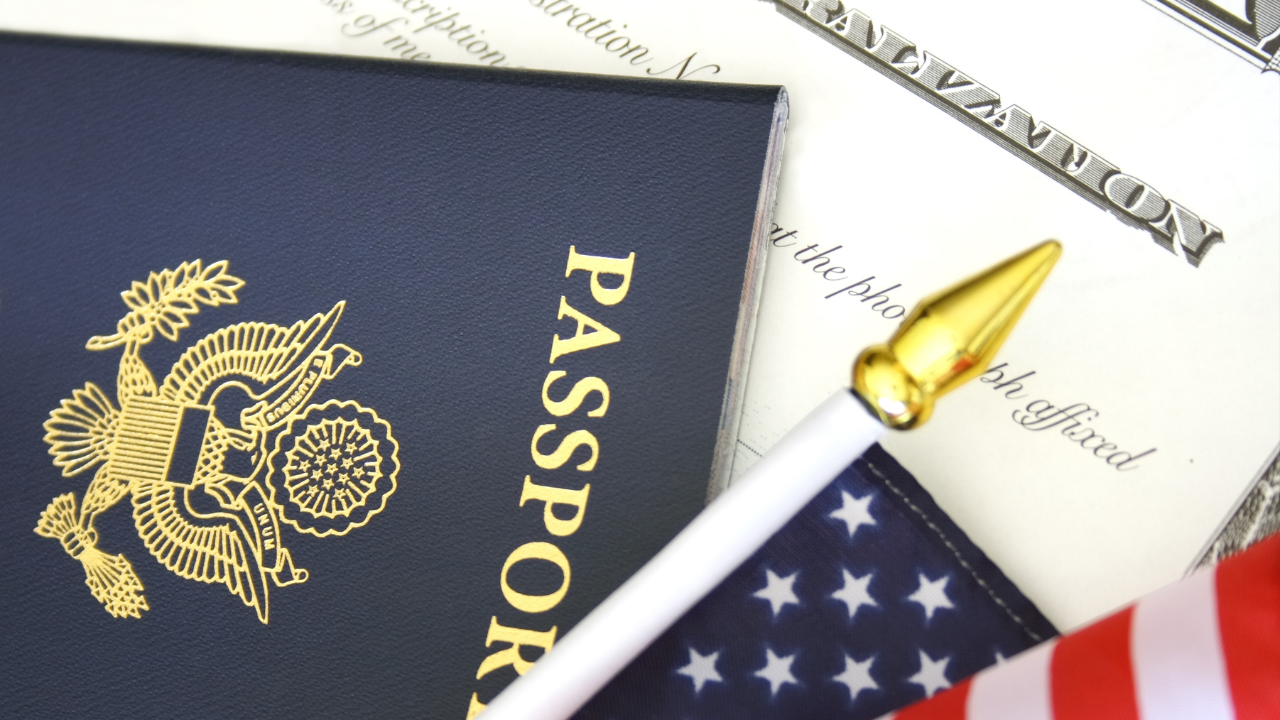
Expert Insights on Dual Citizenship
Immigration advisors and legal experts generally view the U.S.-Malta dual citizenship combination as one of the strongest portfolios a person can hold. Professionals in the field emphasize that because both countries are democratic allies with stable legal systems, the risks associated with holding both passports are minimal. The consensus is that the lifestyle and mobility benefits far outweigh the administrative effort required to maintain compliance.
Statistics suggest that the investment route remains highly attractive for Americans, especially as interest in “Plan B” options has surged in recent years. Approval rates are generally high for U.S. applicants because they typically have verifiable sources of funds and clean criminal records. This high success rate encourages more Americans to pursue this path as a reliable way to secure European access.
FAQ
Can US citizens keep their passport when getting Maltese citizenship?
Yes, the US allows dual citizenship without renunciation.
Is there a fast track for US citizens to Maltese citizenship?
Citizenship by investment offers paths in 12 or 36 months.
Do I need to live in Malta permanently?
No, minimum residency applies only to certain routes like investment or naturalization.
What taxes will I pay as a dual citizen?
US taxes worldwide income; Malta has favorable rates with treaty benefits.
Can children be included in the application?
Yes, dependents qualify with additional fees and proofs.
Conclusion
In summary, holding dual US-Malta citizenship is not only possible but also a highly strategic move for those seeking greater global mobility and security. Both nations have legal frameworks that allow you to maintain your original nationality while enjoying the privileges of the other. Whether you pursue citizenship through investment, descent, or marriage, the benefits include visa-free travel across the EU, the right to live in Europe, and business opportunities, all while retaining your rights as an American citizen. The primary obligation to keep in mind is the continued requirement to file U.S. taxes, but this is manageable with proper planning.
There are no major inherent issues with holding these two passports simultaneously, provided you remain compliant with the reporting rules of both countries. The investment route, in particular, has become a popular choice for Americans because it offers a clear, regulated, and relatively fast path to a European passport. By understanding the requirements and preparing your documentation carefully, you can navigate the process smoothly and avoid the common pitfalls associated with international bureaucracy.
If you are ready to explore your options and ensure a seamless application process, it is highly recommended to consult with a licensed immigration advisor. Firms like Acumum specialize in Malta citizenship programs and can assess your specific eligibility to help you start the process for dual US-Malta citizenship without issues today. Remember, the key to success is due diligence, proper tax planning, and choosing the route that best fits your life goals.