
Blogs
Best Areas in Malta to Live as an Expat
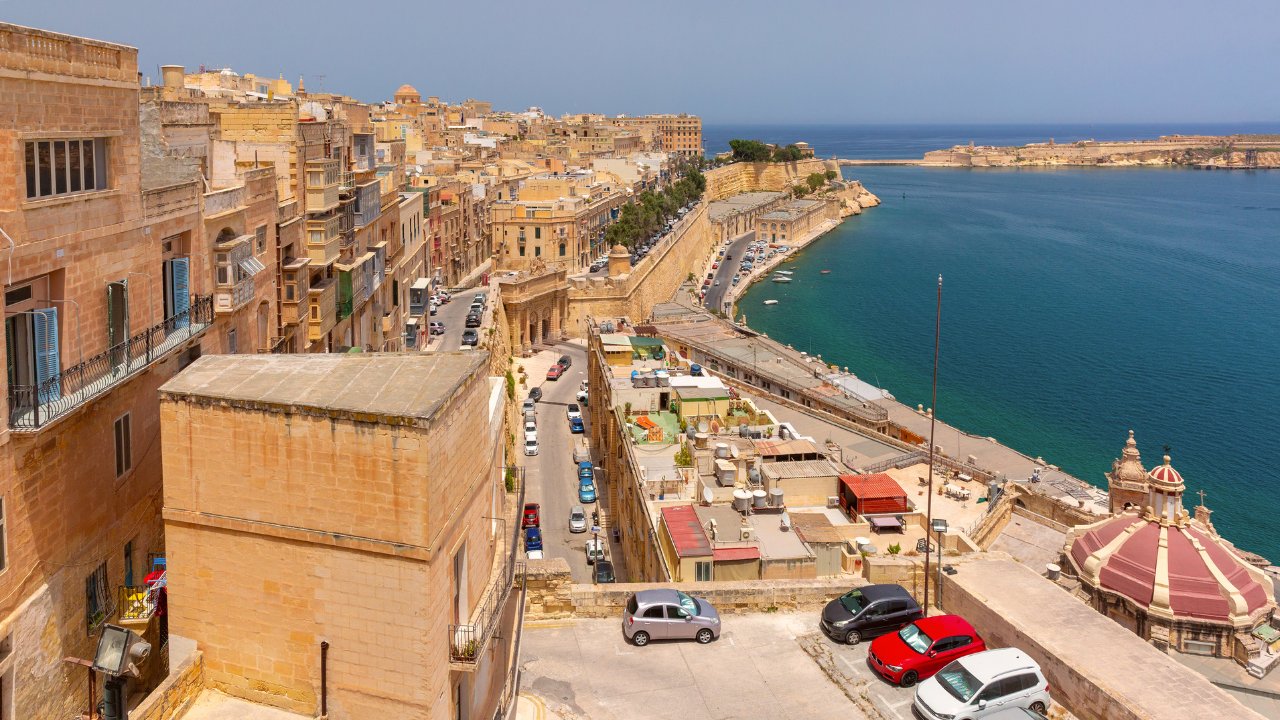
Malta has rapidly become one of the most sought-after destinations for expatriates seeking a blend of Mediterranean charm and modern European living. This small archipelago offers more than just 300 days of sunshine a year; it boasts a rich history, a robust economy, and a welcoming English-speaking population. For citizens of the EU and beyond, the island provides a unique lifestyle that balances laid-back island vibes with the hustle of a growing business hub, making it an attractive option for everyone from retirees to digital nomads.
When deciding where to settle in Malta, several critical factors must come into play to ensure your new home matches your expectations. You need to consider your budget, as rental prices vary drastically between the popular harbor areas and the quieter southern villages. Additionally, connectivity is key; while the island is small, traffic can be heavy, so proximity to your workplace or good public transport links is essential for a stress-free daily routine. Ultimately, your choice will depend on whether you prioritize a sea view and nightlife or a larger home with a traditional community feel.
This guide explores the top locations across the island to help you make an informed decision about where to plant your roots. We will cover the bustling commercial centers, the historic capital, and the family-friendly coastal towns that define the local property market. Whether you are navigating residency requirements with firms like Acumum or simply looking for the best spot for a Sunday swim, understanding the nuances of these different neighborhoods is the first step to a successful relocation.
Why Expats Choose Malta
One of the primary drivers for relocation to Malta is the favorable financial and legal environment designed to attract international talent and wealth. The country offers several residency programs, such as the Global Residence Programme, which can provide significant tax advantages for qualifying individuals. Beyond the fiscal benefits, the quality of life is supported by a stable economy and political safety, making it a secure place to invest and live. For those navigating the complexities of these schemes, seeking advice from legal experts at Acumum can streamline the process of becoming a resident.
Beyond the paperwork, the social environment in Malta is incredibly accessible for newcomers because English is one of the two official languages. This eliminates the immediate language barrier often found in other European countries, allowing expats to handle banking, healthcare, and social interactions with ease. Furthermore, Malta consistently ranks as one of the safest countries in Europe, boasting low crime rates and a high standard of healthcare, which provides peace of mind for individuals and families alike.
Top Expat Hubs: Sliema and St. Julian’s
Sliema and St. Julian’s represent the beating heart of Malta’s expatriate community, offering a fast-paced lifestyle right by the water. These neighboring towns are famous for their long promenade that stretches for kilometers, lined with bustling cafes, restaurants, and beach clubs where residents gather to socialize. The area is modern and cosmopolitan, featuring high-rise apartment blocks and a constant buzz of activity that appeals to those who want to be in the center of the action.
Living here comes with significant advantages, primarily the convenience of having everything you need within walking distance. You will find the island’s biggest shopping malls, such as The Point, alongside a vibrant nightlife scene centered around Paceville in St. Julian’s. Additionally, connectivity is excellent, with frequent ferries to Valletta and a dense network of bus routes, making it easy to commute without owning a car.
However, this convenience comes at a price, as these are the most expensive areas to rent or buy property on the island. The streets can be noisy and crowded, particularly during the peak tourist summer months when the population swells significantly. Parking is also a notorious challenge in these districts, which can be a source of frustration for residents who choose to drive.
Despite the costs and crowds, Sliema and St. Julian’s remain the top choice for young professionals, iGaming employees, and digital nomads. The sheer volume of networking opportunities, co-working spaces, and entertainment options makes it an ideal landing pad for those looking to build a career and a social circle simultaneously. If you thrive on energy and want a modern urban experience by the sea, this is undoubtedly the place to be.
“For most expats, life is concentrated along the lively coastal towns of Sliema, St. Julian’s and the surrounding areas.” -Nomad Capitalist
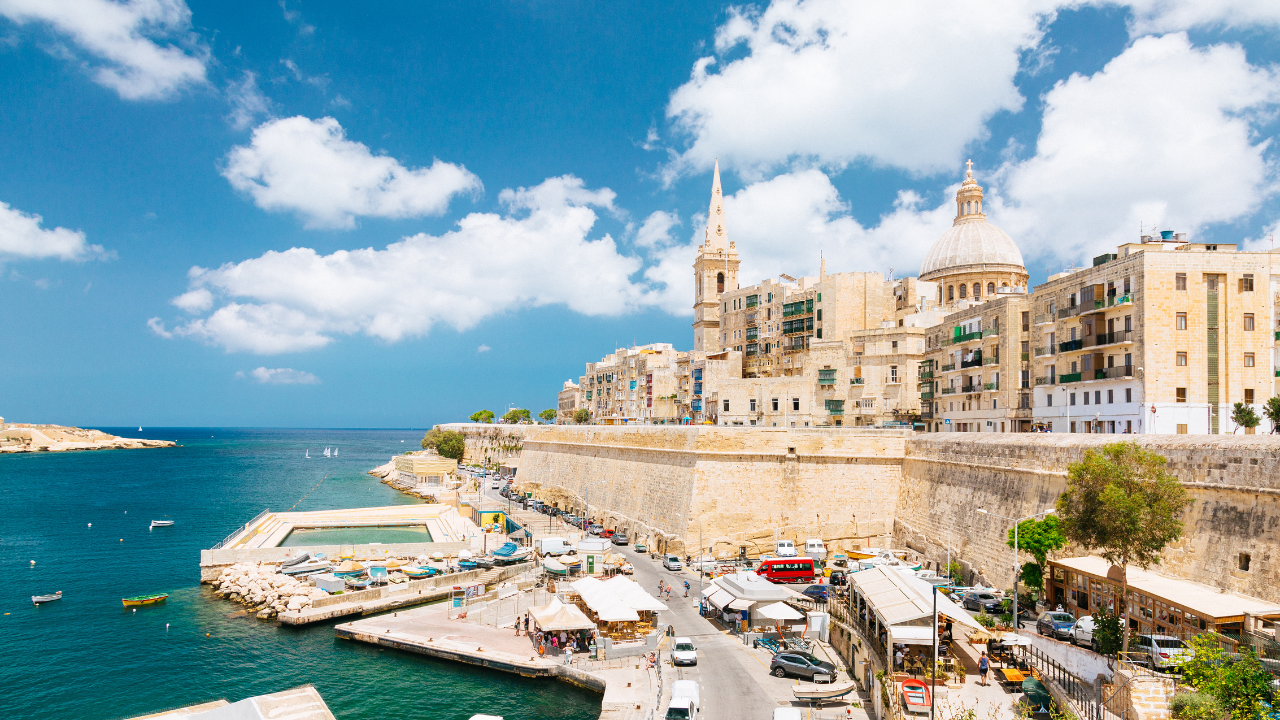
Valletta: The Historic Capital
Valletta is a UNESCO World Heritage site that offers a living experience unlike any other on the island, characterized by Baroque architecture and deep cultural history. Living in the capital means residing in a beautifully restored palazzo or a charming maisonette with traditional Maltese balconies. The city is a cultural powerhouse, packed with museums, theaters, and some of the island’s finest dining establishments, all set within a fortified grid of streets.
This area is particularly suitable for professionals and culture enthusiasts who appreciate a boutique lifestyle and walkability. During the day, the city is a hub of government and legal activity, but at night, it transforms into a quieter, atmospheric destination with jazz bars and intimate restaurants. It is an excellent choice for those who want to avoid the chaotic party scene of St. Julian’s while remaining centrally located.
Rental prices in Valletta have risen sharply due to its popularity and the limited stock of available housing, often matching or exceeding the costs in Sliema. However, the location offers unparalleled access to the rest of the island, serving as the main terminal for the public bus network. For those working in the city, the ability to walk to the office through historic streets is a luxury that justifies the premium price tag.
Mellieħa: Family-Friendly Coastal Haven
Located in the northern part of Malta, Mellieħa is a picturesque town that sits atop a hill overlooking the island’s largest sandy beach, Għadira Bay. This area is renowned for its relaxed atmosphere and larger property sizes, often featuring villas and terraced houses with pools and sea views. It attracts a demographic that values space, nature, and a slower pace of life compared to the harbor regions.
For families, Mellieħa is an exceptional choice because it offers a wealth of outdoor activities and safe environments for children. The town is close to Popeye Village, various nature reserves, and excellent spots for windsurfing and hiking along the cliffs. The community is tight-knit, with a good mix of locals and British expats who have integrated well into the village lifestyle.
“In these areas, around one‑third of the population are foreign residents, according to the Malta National Statistics Office.” -Immigrant Invest
The main trade-off for this idyllic setting is the commute, as Mellieħa is one of the farthest points from the central business districts. Driving to Sliema or Valletta can take considerable time during rush hour, though the situation has improved with road upgrades. However, for those who work remotely or locally in the north, the quality of life and the friendly community feel make it worth the distance.
Gżira and Msida: Affordable Urban Options
Gżira and Msida are centrally located towns that offer a strategic compromise for those who want to be close to the action without paying Sliema prices. These areas wrap around the marinas and are home to the University of Malta and the national hospital, creating a diverse demographic. You can often find apartments here that offer stunning views of the Valletta bastions across the water for a more reasonable monthly rent.
These neighborhoods are particularly appealing to university students, younger expats, and medical professionals due to their proximity to major institutions. The area has seen a surge in popularity among the digital nomad community as well, with several co-working spaces and trendy cafes opening up in recent years. It provides a functional, urban lifestyle where you are never more than a short walk or bus ride away from entertainment hubs.
Development in Gżira and Msida is booming, with many older buildings being replaced by modern apartment complexes and office blocks. While this means there is plenty of housing stock available, it also means residents must contend with ongoing construction noise. Nevertheless, the excellent transport links and the growing number of businesses setting up shop here ensure these towns remain high on the list for value-conscious expats.
Central Malta: Mosta, Naxxar, and Birkirkara
The central region of Malta, comprising towns like Mosta, Naxxar, and Birkirkara, offers a practical and authentic living experience. These towns are residential hubs that provide all the necessary amenities, from large supermarkets to schools, without the tourist premiums found on the coast. They are geographically positioned to provide relatively equal access to all parts of the island, making them convenient for couples who may work in different locations.
“St. Julian’s is well known for its nightlife and entertainment, making it a popular option for young expats.” -Global Citizen Solutions
Living in the center allows expats to immerse themselves more deeply in Maltese culture, with active local parish squares and traditional markets. Naxxar is known for its upscale character and beautiful townhouses, while Mosta is famous for its massive Rotunda church and bustling center. Birkirkara, as one of the largest towns, offers a suburban vibe with a mix of old winding streets and modern commercial areas.
This area strikes a perfect balance for those seeking a quieter home life while retaining easy access to the cities. Rents are generally more affordable here, and you get more square footage for your money. While you won’t have a sea view, the trade-off is a genuine community atmosphere and less noise pollution, which is ideal for long-term residents.
Marsascala and Marsaskala: Local Seaside Charm
Marsascala (often spelled Marsaskala) is a southern coastal town that has grown from a fishing village into a popular residential area for both locals and expats. It features a long, U-shaped bay with a promenade that is perfect for evening walks and jogging. The vibe here is distinctly laid-back and unpretentious, offering a seaside lifestyle that feels far removed from the commercialism of the northern harbor.
The town is well-equipped with amenities, including numerous pharmacies, grocery stores, and a wide array of restaurants serving fresh seafood. It is also home to a family park and rocky beaches that are popular for swimming and snorkeling in the summer. The expat community here is growing, attracted by the ability to integrate into a town that feels lived-in and authentic.
One of the biggest draws of Marsascala is the cost of living, which is significantly lower than in the Sliema or St. Julian’s areas. You can rent a modern, spacious seafront apartment here for a fraction of what it would cost in the central hubs. For those who do not mind a longer commute to the central business district, this southern gem offers excellent value and a high quality of life.
“Birgu, one of the historic Three Cities, welcomes you with its charming narrow streets and centuries-old fortifications.” -Pacific Prime
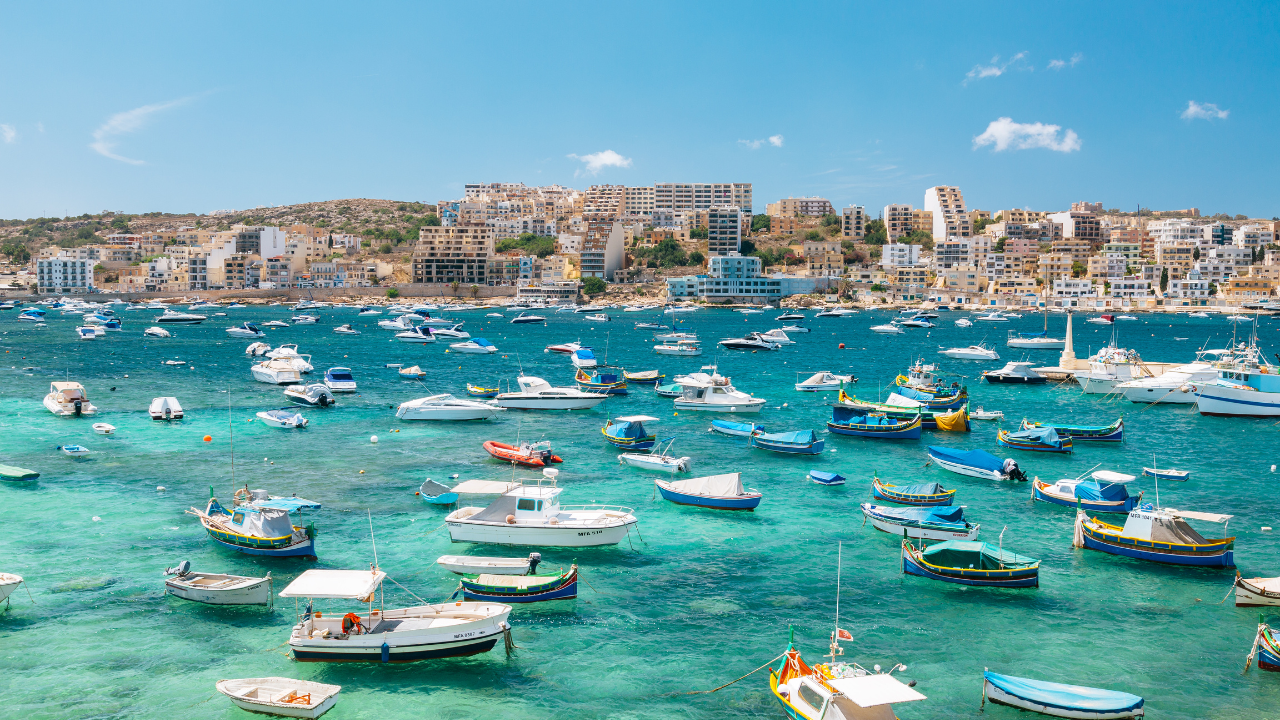
Other Notable Areas: Mdina, Birgu, and Bugibba
Mdina, known as the “Silent City,” is the old capital of Malta and offers an exclusive, tranquil living experience within its fortified walls. It is largely pedestrianized and incredibly historic, making it a prestigious address that appeals mostly to retirees or those seeking absolute quiet and architectural beauty. However, property availability is extremely limited and prices are high, reflecting its status as one of the island’s top cultural jewels.
Birgu, also known as Vittoriosa, is one of the Three Cities located across the Grand Harbour from Valletta. It is steeped in maritime history and features narrow, flower-filled streets and a stunning superyacht marina. Living here offers a romantic, historic atmosphere with a growing community of artistic and professional expats who enjoy the ferry commute to the capital.
Bugibba and the surrounding St. Paul’s Bay area are popular tourist resorts that transform into affordable residential hubs during the off-season. This area is a favorite among British expats and retirees due to the abundance of English pubs, seafront promenades, and budget-friendly rental options. While it can look a bit tired in places compared to the shiny new developments in Sliema, it offers a very practical and social environment for those on a fixed income.
Each of these areas caters to a very specific type of resident. Mdina is for the history-loving recluse, Birgu is for the maritime enthusiast seeking character, and Bugibba is for the budget-conscious expat who wants a holiday vibe year-round. Choosing between them depends largely on whether you prioritize silence, history, or social affordability.
Cost of Living Comparison Across Areas
The cost of living in Malta is heavily dictated by your choice of location, with rent being the most significant variable. In prime areas like Sliema and St. Julian’s, a one-bedroom apartment can easily cost between €1,000 and €1,500 per month, whereas a similar or larger property in Marsascala or Mosta might range from €700 to €900. Utilities are generally consistent across the island, but older, poorly insulated townhouses in historic areas may incur higher heating and cooling costs compared to modern apartments.
“Mellieħa: Family-friendly activities and a more relaxed feel can be found in Mellieħa. The stunning beaches and slower pace of life is a breath of fresh air.” -Global Citizen Solutions
To manage your budget effectively as an expat, it is crucial to factor in transportation and lifestyle choices alongside rent. Dining out in tourist hotspots is significantly more expensive than shopping at local vegetable trucks or supermarkets like Lidl and huge local chains. Utilizing the “Tallinja” bus card can save a fortune on transport compared to owning a car, allowing you to allocate more funds toward enjoying the island’s lifestyle.
Pros and Cons for Different Lifestyles
For families, the choice often lands on areas like Mellieħa, Pembroke, or Swieqi, where larger homes and proximity to international schools are available. The trade-off is often the need for a car and a quieter evening atmosphere. Singles and young couples, on the other hand, usually prefer the density of Sliema and Gżira, accepting smaller living spaces in exchange for being walking distance from bars, gyms, and social events.
Digital nomads and retirees represent two different ends of the spectrum, yet both find their niches in Malta. Nomads tend to flock to areas with co-working spaces and strong café culture like Msida and St. Julian’s, prioritizing internet speed and networking. Retirees often look to the peripheries like St. Paul’s Bay or even the sister island of Gozo, valuing the slower pace, lower costs, and active senior communities over nightlife.
Finally, the divide between nightlife seekers and those wanting peace is sharp. If you need silence to sleep, avoiding the immediate vicinity of Paceville and the main promenades is essential. Conversely, if you feel isolated without the hum of the city, the quiet streets of central villages like Balzan or Attard might feel too sleepy, pushing you back toward the vibrant harbor districts.
Practical Tips for Moving and Settling In
Before packing your bags, it is vital to understand the visa and residency requirements, which differ for EU and non-EU citizens. Securing your residence card is the first step to opening a bank account and signing up for internet services. Consulting with a specialized firm like Acumum can help you navigate the various residency schemes to ensure you are fully compliant with local laws from day one.
Finding housing can be fast-paced, so it is recommended to use a reputable real estate agent, as properties move quickly in the Maltese market. When looking for a place, always check for air conditioning, as the summers are hot and humid, and ask about the humidity levels in winter. Regarding transport, consider starting with the bus system or ride-sharing apps like Bolt and Uber before committing to buying a car, as parking can be a major headache in residential zones.
Adjusting to daily life involves getting used to the “island time” mentality, where things might move slower than in northern Europe. Registering for healthcare at Mater Dei hospital is straightforward once you have your social security number, and there are excellent private and public school options for children. Engaging with local expat groups on social media can also speed up your settlement process, providing instant advice on everything from plumbers to the best pastizzi shops.
FAQ
What are the most affordable areas for expats in Malta?
The south of Malta, particularly towns like Marsascala and Birżebbuġa, offers the most affordable rental prices near the sea. Central towns like Birkirkara and Santa Venera are also budget-friendly options that provide good value for money regarding property size. These areas allow expats to live comfortably without the high premiums found in the northern harbor districts.
Is Malta good for families relocating as expats?
Yes, Malta is considered very good for families due to its high safety ratings, English-speaking environment, and family-oriented culture. Areas like Mellieħa, Pembroke, and Swieqi are popular because they are close to international schools and offer more spacious housing. The climate also allows for a healthy, outdoor lifestyle for children year-round.
What is the best area for nightlife and social life?
St. Julian’s, specifically the Paceville district, is the undisputed hub for nightlife, clubs, and bars in Malta. For a slightly more mature but still lively social scene, Sliema offers excellent restaurants and lounge bars along the waterfront. Living in these areas guarantees you are never far from entertainment and social gatherings.
How much does it cost to rent in Sliema or St. Julian’s?
Renting in these prime locations is expensive, with prices for a modern one-bedroom apartment typically starting around €1,000 to €1,200 per month. Two or three-bedroom apartments with sea views can easily range from €1,800 to €3,000 or more. Prices fluctuate based on the finish of the apartment and the exact proximity to the promenade.
Are there good international schools in Malta?
Malta boasts several high-quality international and private schools that cater to the expat community, such as Verdala International School, St. Edward’s College, and QSI International School. These institutions offer international curriculums like the International Baccalaureate (IB) or British/American systems. Most are located in the central and northern parts of the island, making commute times an important factor in choosing where to live.
Conclusion
Malta offers a diverse array of living environments packed into a surprisingly small footprint, ensuring there is a perfect corner for every type of expat. From the cosmopolitan buzz of Sliema and St. Julian’s to the historic serenity of Valletta and the family-friendly vibes of Mellieħa, the island caters to various lifestyles and budgets. Whether you prioritize waking up to a sea view, living steps away from a co-working space, or immersing yourself in a traditional village square, understanding the unique character of each area is the key to a happy relocation.
The appeal of Malta goes beyond just the scenery; it is the combination of safety, English accessibility, and a favorable tax environment that seals the deal for many. With a welcoming community and a climate that encourages outdoor living, it is no surprise that the island continues to attract a global workforce. As you plan your move, remember that the “best” area is subjective—it is the one that aligns with your daily needs and long-term goals.
To make the right choice, take the time to research your top areas thoroughly and, if possible, visit for a trial stay to experience the neighborhoods firsthand. Connect with online expat communities to ask questions and reach out to professionals like Acumum to handle the legalities of your residency. Start your Malta relocation journey today, and you will soon find the place that feels like home in the heart of the Mediterranean.