
Blogs
Dual Citizenship in Malta: Rights and Obligations Explained
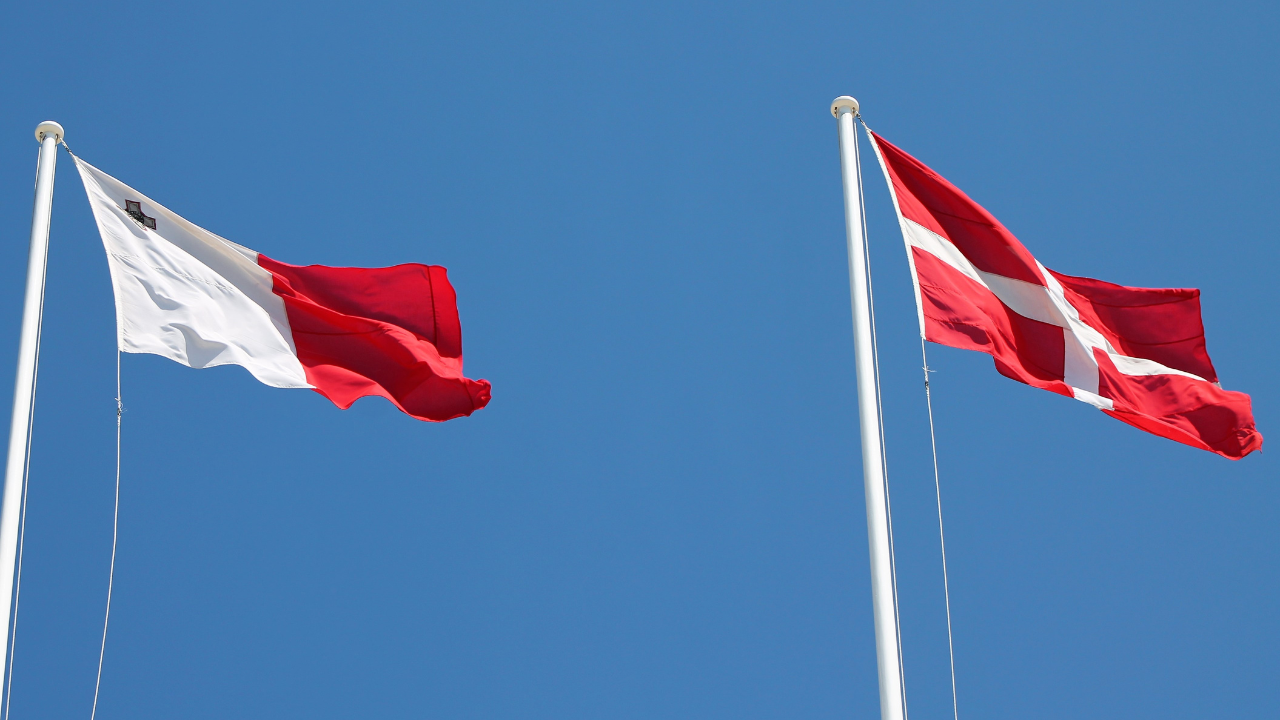
Dual citizenship is a legal status where an individual is recognized as a citizen of two different countries at the same time. This means you hold passports from both nations and enjoy the rights—and carry the responsibilities—of both. For Malta, a small but strategically important island nation in the Mediterranean, allowing dual citizenship has become a way to connect with its vast diaspora and attract global talent. Whether you are an investor looking for business opportunities in the European Union or someone seeking to reconnect with your Maltese roots, understanding how this dual status works is the first step toward securing your future.
Historically, Malta did not always permit its citizens to hold another nationality. However, the laws have evolved significantly to reflect a more globalized world. Since the early 2000s, the Maltese government has formally recognized dual citizenship, removing the need for people to choose between their Maltese identity and another nationality. Today, there are several pathways to obtain this status, ranging from descent and marriage to naturalisation and investment. Each route has its own specific criteria, but they all lead to the same goal: full integration into the Maltese community with the ability to retain your original citizenship.
Legal Framework for Dual Citizenship in Malta
The primary law governing nationality is the Maltese Citizenship Act. This piece of legislation serves as the foundation for all citizenship matters, outlining exactly who is eligible and under what conditions. Most importantly, the Act explicitly permits dual citizenship, a significant shift from older regulations that required citizens to renounce foreign titles. This legal clarity provides peace of mind for applicants, ensuring that acquiring a Maltese passport does not legally require giving up their current one under Maltese law.
While Malta is very open to dual nationality, it is crucial to understand that citizenship is a two-way street involving two different legal systems. The Maltese legal framework allows you to hold two passports, but you must also verify the laws of your country of origin. Some nations strictly forbid dual citizenship and may automatically revoke your original nationality if you voluntarily acquire another one. Therefore, prospective applicants must perform a check on both legal systems to avoid unintended consequences.
Processing these applications falls under the jurisdiction of the Community Malta Agency and other related government bodies. These agencies are responsible for conducting due diligence, verifying documents, and maintaining the register of citizens. Their policies and guidelines interpret the broad strokes of the Citizenship Act into day-to-day regulations. Navigating these administrative requirements can be intricate, which is why many applicants seek the assistance of specialized firms like Acumum to ensure they fully understand the rights and obligations interpreted by these agencies.
Who Qualifies for Maltese Dual Citizenship? Main Routes
There are several distinct pathways to becoming a Maltese citizen. The most common routes include citizenship by birth or descent, which applies to those with Maltese parents or grandparents. There is also citizenship by registration, which is often used by spouses of Maltese citizens or widows and widowers. Additionally, individuals can apply through standard naturalisation after living in the country for a long period, or through naturalisation for exceptional services by direct investment, a route designed for high-net-worth individuals contributing to the nation’s development.
Each of these routes comes with its own set of high-level conditions that must be met without exception. For those applying by descent, the burden of proof lies in documenting an unbroken line of Maltese ancestry. For naturalisation and investment routes, the focus shifts to the applicant’s current standing; this includes proving a clean criminal record, good character, and often a level of financial self-sufficiency. Furthermore, depending on the specific path, there may be requirements regarding physical residence on the islands and evidence of integration into Maltese society.
The good news is that dual citizenship is generally permitted across all these categories. Whether you are reclaiming your heritage or investing in the country’s economy, Malta does not ask you to surrender your previous passport. In practice, the descent and registration routes are utilized most frequently due to the large Maltese diaspora living in countries like Australia, Canada, and the UK. However, regardless of the category, the acceptance of dual nationality remains subject to the rules of the other country involved.
Acquiring Dual Citizenship by Descent, Birth, and Registration
Citizenship by birth in Malta is not as straightforward as it is in some other countries. Being born on Maltese soil does not automatically make a child a citizen unless at least one parent is Maltese. This rule intersects heavily with citizenship by descent. For many, the journey begins by proving that a parent was a citizen of Malta, which then confers rights to the child, regardless of where that child was born. This ensures that the Maltese identity is passed down through bloodlines rather than just geography.
For individuals born abroad, citizenship by descent is a powerful way to claim dual nationality. To qualify, you generally need to prove that you are the descendant of an ascendant born in Malta who was also a citizen. This process requires gathering substantial documentation, such as birth and marriage certificates of parents and grandparents, to demonstrate an unbroken line of ancestry. It is a meticulous process, but one that allows thousands of people to reconnect with their heritage every year.
“Furthermore, Malta’s Citizenship Act mentions explicitly that Malta dual citizenship is permitted. Stating that, as of 10th February 2000, a Maltese resident may acquire and retain foreign citizenship(s) alongside his/her Maltese citizenship.” -Get Golden Visa
Citizenship by registration is another common avenue, particularly for spouses. If you have been married to a Maltese citizen for at least five years, you may be eligible to apply for citizenship. This route also extends to widows or widowers of Maltese citizens and, in some specific cases, former citizens who may have lost their status under old laws. In these scenarios, the government looks for a genuine link to the country and a valid, recognized marriage or relationship.
In practice, these routes—descent and registration—are the most common ways people achieve dual citizenship without needing to be wealthy investors. One of the major benefits is that, for descent and marriage applications, you generally do not need to reside in Malta during the processing period. However, once approved, you will be required to take an oath of allegiance. This formal step finalizes the process, granting you the full status of a Maltese national alongside your current citizenship.
Dual Citizenship via Naturalisation and Investment
Standard naturalisation is the path for foreign nationals who have made Malta their permanent home. To qualify, an applicant usually needs to have resided in Malta for a specific number of years, typically amounting to five years within a seven-year period prior to application. Beyond just counting days, the authorities assess whether the applicant has integrated into society, often requiring proficiency in Maltese or English and a sound moral character. This route is discretionary, meaning the government grants it based on the merit of the individual’s integration.
Alternatively, there is the route of naturalisation for exceptional services by direct investment. This is often sought by high-net-worth individuals and involves a significant financial commitment to the country. Applicants must make a substantial non-refundable contribution to the government, donate to a registered philanthropic organization, and either purchase or rent high-value property. This route is designed to attract individuals who can make a tangible economic impact on the island.
Because the investment route offers a faster track to European citizenship, it comes with multi-layered due diligence. The Maltese government conducts extremely strict background checks to ensure the source of funds is legitimate and that the applicant poses no security risk. This includes anti-money laundering screenings and vetting by international law enforcement agencies. Only those with an impeccable background are allowed to proceed, ensuring the integrity of the Maltese passport is maintained.
The timelines for these routes vary, with standard naturalisation often taking longer due to the residence accumulation requirement. The investment route has a more structured timeline, typically involving a residence period of 12 to 36 months before citizenship is granted. Importantly, both routes allow for the inclusion of family members, such as spouses and children. Upon success, these applicants become dual citizens, enjoying the same rights as those who acquired citizenship by birth, provided their original country permits it.
“There are no restrictions on dual citizenship in Malta. Malta imposes no restrictions on dual citizenship. As long as their country of origin also allows it, candidates can hold Maltese citizenship without giving up their existing nationality.” -Henley & Partners

Rights of Dual Citizens in Malta (Civil, Political, and Economic)
As a dual citizen of Malta, you are entitled to the same fundamental civil rights as any other Maltese national. This includes the absolute right to reside permanently in Malta without the need for visas or residence permits. You have full access to the Maltese legal system and courts, ensuring you are protected under both national and European Union law. Furthermore, discrimination based on nationality is prohibited, meaning you are treated equally in the eyes of the law.
Political rights are a significant benefit of dual citizenship. You have the right to vote in local and national elections, provided you meet the specific residency requirements associated with voter registration. Additionally, because Malta is a member of the European Union, Maltese citizens have the right to vote in and stand for elections to the European Parliament. This gives dual citizens a voice not just in domestic affairs, but in the wider political landscape of Europe.
Economically, the benefits are substantial. Dual citizens can work, start businesses, and trade in Malta without the bureaucratic hurdles of employment licenses that non-EU nationals face. You also gain the right to own property freely, bypassing certain restrictions placed on foreigners. Beyond Malta’s borders, you enjoy the freedom of movement across the EU, allowing you to live, work, and study in any member state. This opens up a massive market and educational opportunities for you and your family.
Finally, holding a Maltese passport grants you the right to consular protection. When traveling outside the EU, you can seek assistance from Maltese embassies or consulates if you find yourself in trouble. In countries where Malta does not have diplomatic representation, you are entitled to protection from the embassy of any other EU member state. This global safety net is a unique advantage of holding citizenship from an EU nation.
Key Obligations and Responsibilities of Dual Citizens
With great rights come significant responsibilities. The primary obligation of a dual citizen is to respect and obey the laws of Malta. This includes being honest in all dealings with the government; any fraud or misrepresentation used to obtain citizenship or a passport can lead to severe penalties, including the revocation of citizenship. Additionally, you must comply with tax laws if you reside in Malta or derive income from the country, ensuring you contribute your fair share to the society that protects you.
A potential area of friction for dual citizens involves military service or civic duties. While Malta does not currently have mandatory military conscription, your other country of citizenship might. Conflicts can arise if the other nation demands service that clashes with your allegiance to Malta, or vice versa. It is vital to understand the obligations of both nations, as some countries do not look favorably on their citizens fulfilling civic duties for another state.
“Because Malta allows dual citizenship, most applicants retain the citizenship of their home country in addition to receiving a second passport from Malta (EU).” -Zenturo
When you are physically present in Malta, the Master Nationality Rule typically applies. This means that the Maltese authorities will treat you solely as a Maltese citizen, regardless of your other passport. Consequently, you generally cannot claim diplomatic protection from your other country of nationality while you are on Maltese territory. You are subject to Maltese jurisdiction entirely, and international law usually supports this stance for dual nationals within their own country.
There are also ongoing administrative responsibilities to maintain your status. You must keep your Maltese passport valid if you intend to travel on it, and you are required to register major life events with the Public Registry. This includes registering marriages, divorces, and the birth of children. Keeping these records updated is essential for passing citizenship down to future generations and for ensuring that you remain compliant with residence-based conditions for voting or social benefits.
Taxation, Property, and Financial Considerations for Dual Citizens
Malta’s tax system is based on the concepts of residence and domicile, rather than citizenship alone. This is a crucial distinction for dual citizens. Generally, you are taxed on income arising in Malta and on foreign income remitted to Malta. However, Malta offers attractive tax structures for certain residents, often referred to as the “remittance basis” of taxation. Understanding these principles is vital to managing your wealth efficiently.
It is important to clarify that acquiring dual citizenship does not automatically make you a tax resident of Malta. Tax residence is usually triggered by spending more than 183 days a year in the country. However, even if you do not live there, holding assets or generating income in Malta will likely create a tax liability. Because this area is complex, consulting with experts like Acumum can help you navigate the nuances of double taxation treaties and local fiscal laws.
regarding property, dual citizens enjoy a distinct advantage. Unlike foreign nationals who often need an AIP (Acquisition of Immovable Property) permit to buy real estate, Maltese citizens can buy property freely. This applies to your primary residence as well as investment properties. This freedom allows dual citizens to invest in the local market without the additional fees and bureaucratic restrictions that apply to non-citizens.
Finally, dual citizenship introduces considerations for banking and succession planning. Holding two nationalities can impact how your estate is handled upon death, potentially involving the inheritance laws of two different countries. Furthermore, financial institutions may have different reporting requirements for dual nationals, such as FATCA reporting for US-Maltese citizens. Proper estate planning is essential to ensure your assets are protected and that your heirs do not face unexpected legal hurdles.
“All family members covered by the framework have the freedom to travel, reside, and work without constraints within the European Union.” -Zenturo
Impact of Dual Citizenship on Family Members
One of the most appealing aspects of Maltese dual citizenship is the ability to include family members in the application. For those applying through the investment or naturalisation routes, spouses and registered partners can often obtain citizenship simultaneously with the main applicant. Dependent children, usually up to a certain age limit, are also eligible. This ensures that the family unit remains legally unified, simplifying travel and residence logistics for everyone involved.
For descendants, the impact is generational. Once you become a Maltese citizen, your children born after your naturalisation or registration may automatically inherit Maltese citizenship or be eligible for a simplified registration process. This depends on the specific timing and the laws in place at the time of their birth. Essentially, securing dual citizenship today can gift future generations with the rights and privileges of being European citizens.
On a practical level, having the whole family hold dual citizenship solves many logistical headaches. It grants your children access to education in Malta and across the EU, often at the same tuition rates as local citizens. It simplifies access to healthcare systems and removes the need for family reunification visas if you decide to move to Europe. It provides a cohesive long-term plan for family residence and mobility.
Risks, Limitations, and Common Pitfalls with Dual Citizenship
While dual citizenship offers many benefits, it is not without potential legal conflicts. The most significant risk is the non-recognition of dual nationality by your original country. Some nations have laws that strip you of your citizenship the moment you voluntarily acquire another one. Additionally, holding a second passport might restrict you from holding certain public offices or security clearances in your home country. It is imperative to research these limitations before proceeding.
For those pursuing citizenship through investment, there are reputational and compliance risks to consider. These programs face high scrutiny from the European Union, and regulations can change. Applicants must be prepared for rigorous background checks. A failure to pass due diligence due to a misunderstood financial history or a forgotten legal issue can result in a rejected application, which is often recorded and shared with other nations.
Revocation of citizenship is a rare but real possibility. The Maltese government reserves the right to strip an individual of their citizenship if it was obtained through fraud, false representation, or the concealment of material facts. Furthermore, involvement in serious criminal activities or actions that threaten national security can also lead to deprivation of citizenship. The law ensures that citizenship is a privilege maintained by lawful conduct.
Common pitfalls often stem from administrative errors. Incomplete documentation, poor translations, or a misunderstanding of the residence requirements can delay or derail an application. Many applicants also make the mistake of relying on unofficial advice or unlicensed agents. To avoid these traps, it is crucial to disclose all previous citizenships and legal records honestly and to work with professional advisors who understand the specific requirements of the Maltese authorities.
Practical Steps and Documentation for a Dual Citizenship Application
The application process for dual citizenship typically follows a structured path. It begins with a thorough eligibility assessment to determine the best route for your situation. Once eligibility is confirmed, the data collection phase begins, followed by the formal submission of the application to the Community Malta Agency or the relevant consular office. If approved, the process usually culminates in a personal interview and the taking of the oath of allegiance.
Documentation is the backbone of any successful application. At a minimum, you will need valid passports, certified copies of birth and marriage certificates, and police clearance certificates from every country you have lived in for a significant period. You will also need to provide evidence of your current residence and, in many cases, proof of financial self-sufficiency. All documents must be authentic and verifiable.
Depending on your specific route, additional documents will be required. For citizenship by descent, you must provide the birth and marriage certificates of your parents and grandparents to prove your lineage. For the marriage route, evidence of cohabitation and a genuine relationship is necessary. If applying through investment, you will need robust evidence of the source of your wealth, property contracts, and proof that the required contributions have been made.
Finally, logistics play a huge role. Documents originating from outside Malta typically need to be translated into English or Maltese and legalized or apostilled to be accepted. Processing times can vary from a few months for straightforward registration cases to several years for naturalisation. It is also important to budget for government fees and professional service charges. Working with licensed professionals can streamline this daunting paperwork and ensure nothing is overlooked.
Frequently Asked Questions about Dual Citizenship in Malta
1. Does Malta allow dual citizenship with any country?
Malta broadly allows dual and even multiple citizenships without restriction. The Maltese government does not require you to renounce your existing nationality to become Maltese. However, the ability to hold both depends entirely on the laws of the other country. Some nations prohibit dual nationality and may revoke your citizenship if you naturalise in Malta. Therefore, you must check the regulations of your specific home country.
2. How long does it take to obtain Maltese dual citizenship?
The timeline depends heavily on the route chosen. Citizenship by descent or marriage (registration) can often be processed relatively quickly, sometimes within a year, provided all documents are in order. Standard naturalisation requires a much longer commitment, involving several years of residence. The exceptional services by investment route typically requires a residence period of either 12 or 36 months, plus processing time for due diligence.
3. Will becoming a Maltese dual citizen change my tax situation?
Citizenship alone does not dictate tax residence in Malta; residence and domicile do. Generally, you are not taxed in Malta just for holding the passport if you do not live there. However, if you move to Malta or remit income to the country, your tax liability will change. Because tax laws are complex and dependent on your specific financial setup, personalized advice is highly recommended.
4. Can my spouse and children get Maltese citizenship with me?
Yes, most routes to Maltese citizenship allow for the inclusion of family members. Under the investment and naturalisation frameworks, spouses and dependent children (and sometimes dependent parents) can be included in the application, subject to additional fees and due diligence checks. For descent routes, children usually have to apply based on their own lineage or be registered after the parent obtains citizenship.
5. Can my Maltese dual citizenship be revoked?
Yes, revocation is possible, though it is reserved for serious breaches. Citizenship can be stripped if it was obtained through fraud, false representation, or concealment of material facts. Additionally, engaging in activities that threaten national security or being convicted of serious criminal offenses can be grounds for deprivation of citizenship under the Maltese Citizenship Act.
Conclusion: Making an Informed Decision on Dual Citizenship in Malta
Obtaining dual citizenship in Malta is a strategic move that offers a wealth of opportunities, from living in a stable EU nation to accessing new business markets. Whether you qualify through descent, marriage, or investment, the process opens the door to full civil, political, and economic rights within the European Union. However, these privileges come with the duty to respect Maltese laws and the necessity of navigating the complex interaction between the laws of Malta and your home country. Proper planning regarding taxation, family inclusion, and long-term residence is essential to maximize the benefits while minimizing potential risks.
If you are considering this life-changing step, do not rely on guesswork. It is vital to conduct deep research into Dual Citizenship in Malta: Rights and Obligations and to consult with official government resources. For a smooth and compliant journey, consider seeking guidance from qualified legal and tax professionals who can tailor the process to your unique needs. Start gathering your documentation early, verify the stance of your current country on dual nationality, and take proactive control of your future as a global citizen.